
Gestures are fascinating — the range of emotions and messages that can be conveyed by a simple movement of one or two hands. And even more fascinating to me are gestures that cross international boundaries but remain essentially the same gesture, with perhaps some nuanced differences in use. (I’m, of course, just talking about simple gestures, not about sign language.)
Although simple gestures (waving, thumbs up, the middle finger, ok, etc.) are a universal part of the human experience, they are uncommon on postcards. I have noticed, however, a number of postcards with people making the “nose-thumb” gesture: “made by putting the thumb on the nose, holding the palm open and perpendicular to the face, and wiggling the remaining fingers.” (Wikipedia.) A.k.a. in English “thumbing the nose,” “cocking a snook,” “to make a long nose,” “Queen Anne’s Fan,” etc; or pied de nez (France), marameo (Italy), die lange nase (Germany), raekke naese (Denmark), tocar tromfete (Portugal), neena-neena (Malta), etc. (Morris, et al., Gestures (1979).) Although it is most commonly made with one hand, it can also be a tandem two-handed gesture (a “double snook” in the UK). It can be combined with sticking out the tongue, but I believe that is more common in the U.S. and U.K.
The book Gestures observes that the nose-thumb “is known to more Europeans, and over a greater range, than any other symbolic gesture” studied; “it has been subjected to a more lengthy and exhaustive historical investigation than any of the other gestures;” and “it has acquired more names (14 in English alone) than any of the other gestures.”

There are assertions online, probably apocryphal, about the history of the gesture that are unsupported by reliable citations, such as that Shakespeare deployed the gesture on seeing a rival playwright or that there are stone carvings of the gesture on European churches from the Middle Ages. This brief Oxford Reference summary seems reliable: “The gesture is described in the writings of François Rabelais in 1532, but its first known unmistakable depiction is in La Fête des fous, a drawing by Pieter Brueghel of 1560. It is not clear how far back the gesture dates in England. References are relatively common in England in the 19th century, almost always referring to schoolboys….” The authors of Gestures reference a French language dictionary covering the 11th to the 15th century calling the gesture un nez de cire — “a wax nose.” The authors explain the phrase “suggests a link with the ancient practice of making ugly, derisive wax effigies in which people were depicted with unflattering long noses.” Thus, the widespread alternate name for the nose thumb, “making a long nose.”
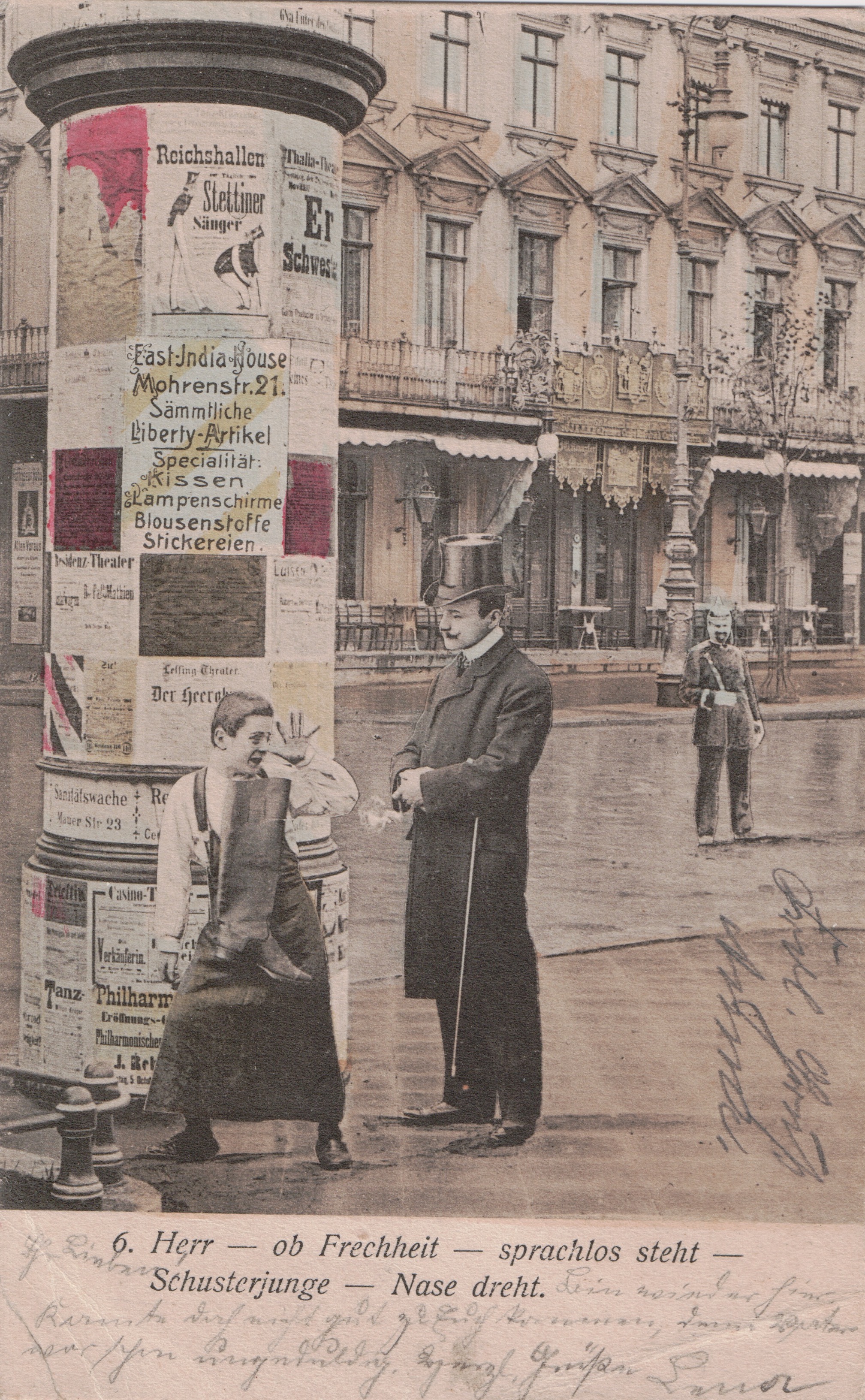
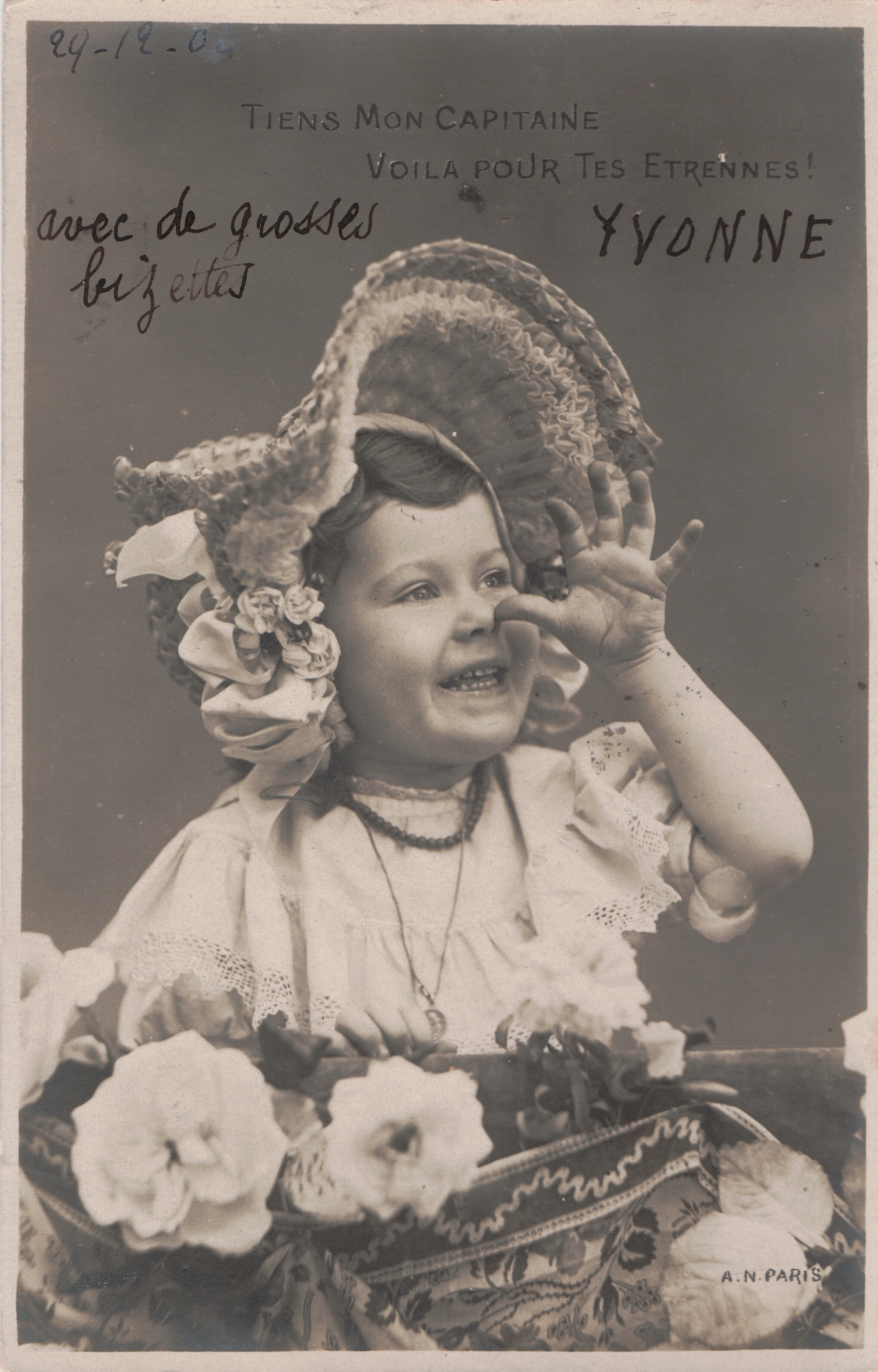
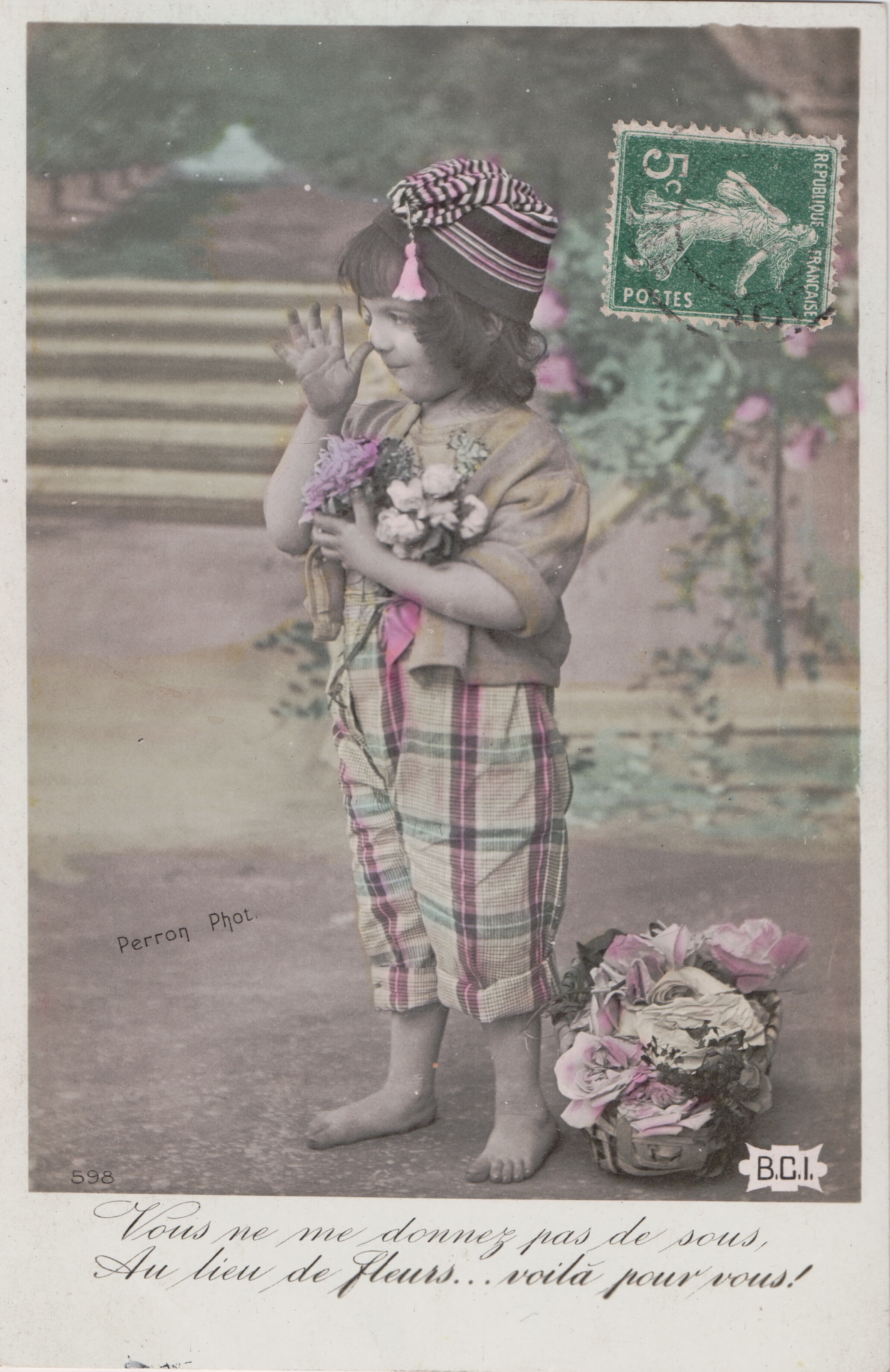
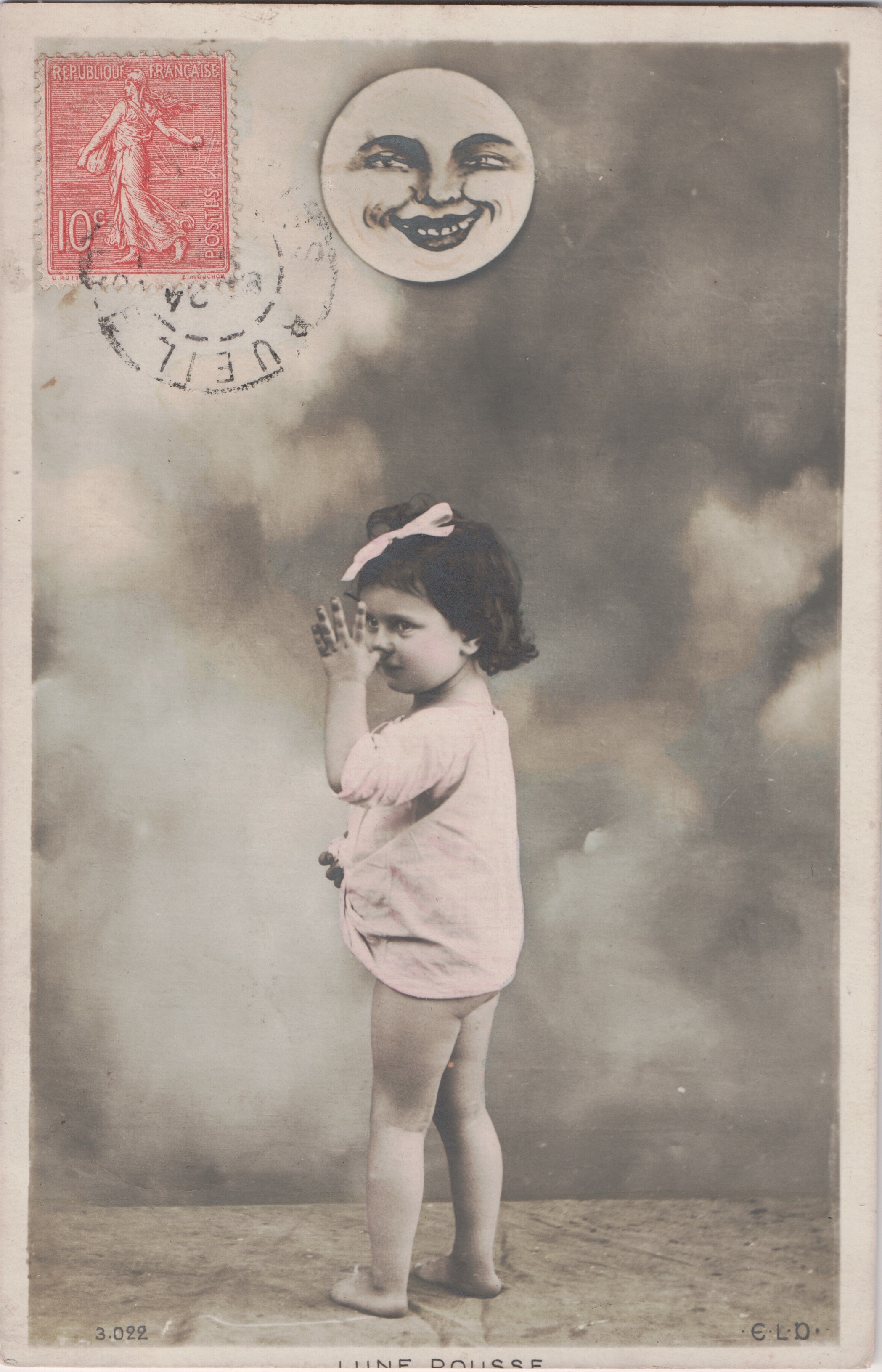
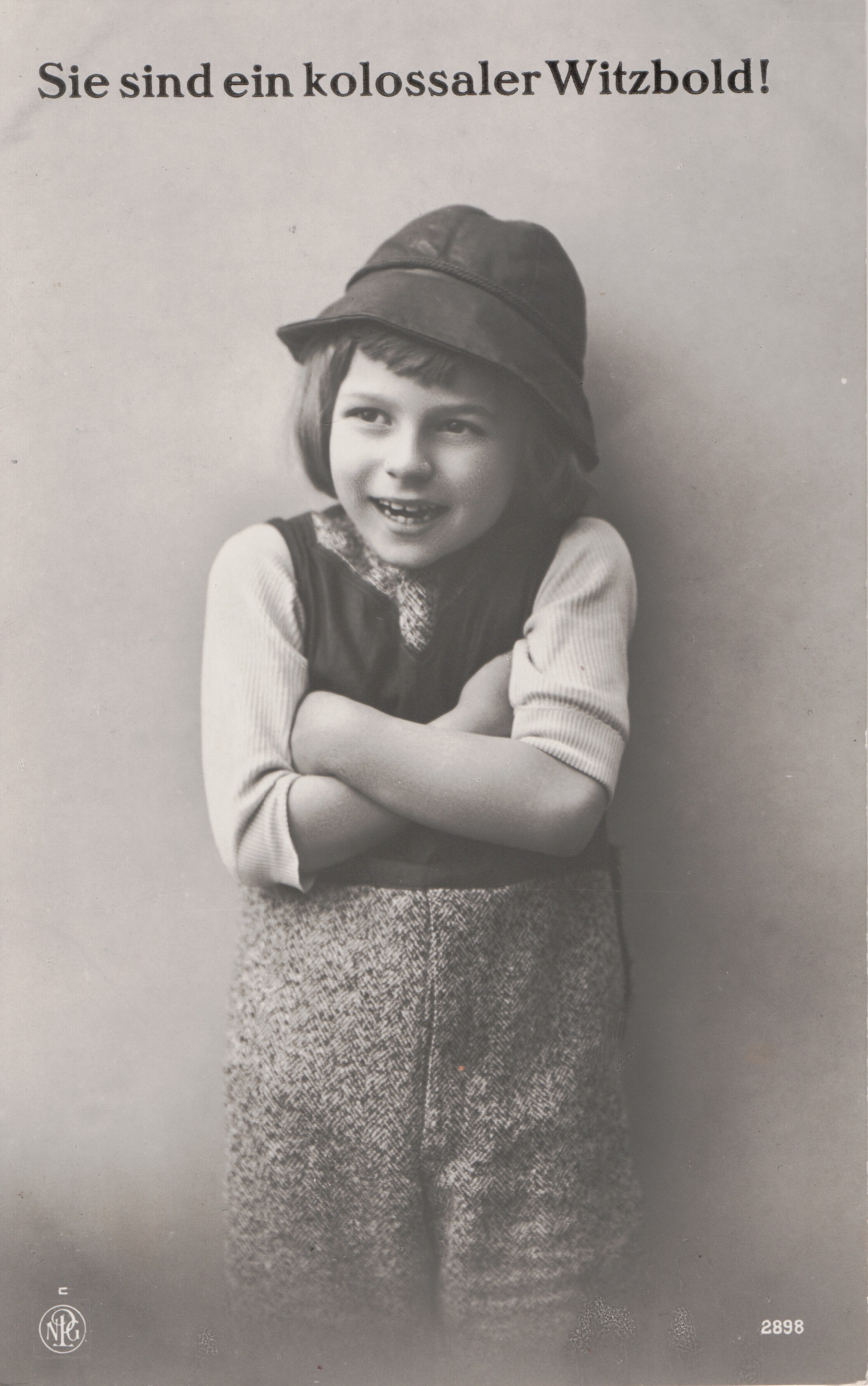
In French and German postcards from the early 1900s, the gesture is usually used by young women or children. Wikipedia describes the gesture as “a sign of derision, contempt, or defiance.” The book Gestures identifies the meaning of the nose thumb as “mockery” and “insulting.” It is true it is frequently used that way (I believe especially in the U.S. and U.K.), but these European cards (and, indeed, most instances of the gesture on postcard) reflect a teasing playfulness absent from definitions that focus only on defiance or mockery.
One final interesting observation from Gestures (from 1979): “Despite its enormous popularity and its huge range, the nose-thumb gesture appears to be on the wane. [Adult informants said] that the gesture is ‘only used by children’ [and] amongst today’s British schoolchildren [the gesture is being replaced by] new and more daringly obscene gestures… So perhaps, in another generation, the nose thumb will be replaced by the phallic and masturbatory gestures that are gaining ground at the moment… Alongside this, the homely nose thumb must seem tame indeed.” The final image at the bottom of this webpage does seem to confirm use of the gesture today is mostly limited to quite young children…
The images below are all from my collection. Click on any to see a larger version. At the bottom of this webpage, I include some other references to the thumbing the nose gesture outside the postcard context.
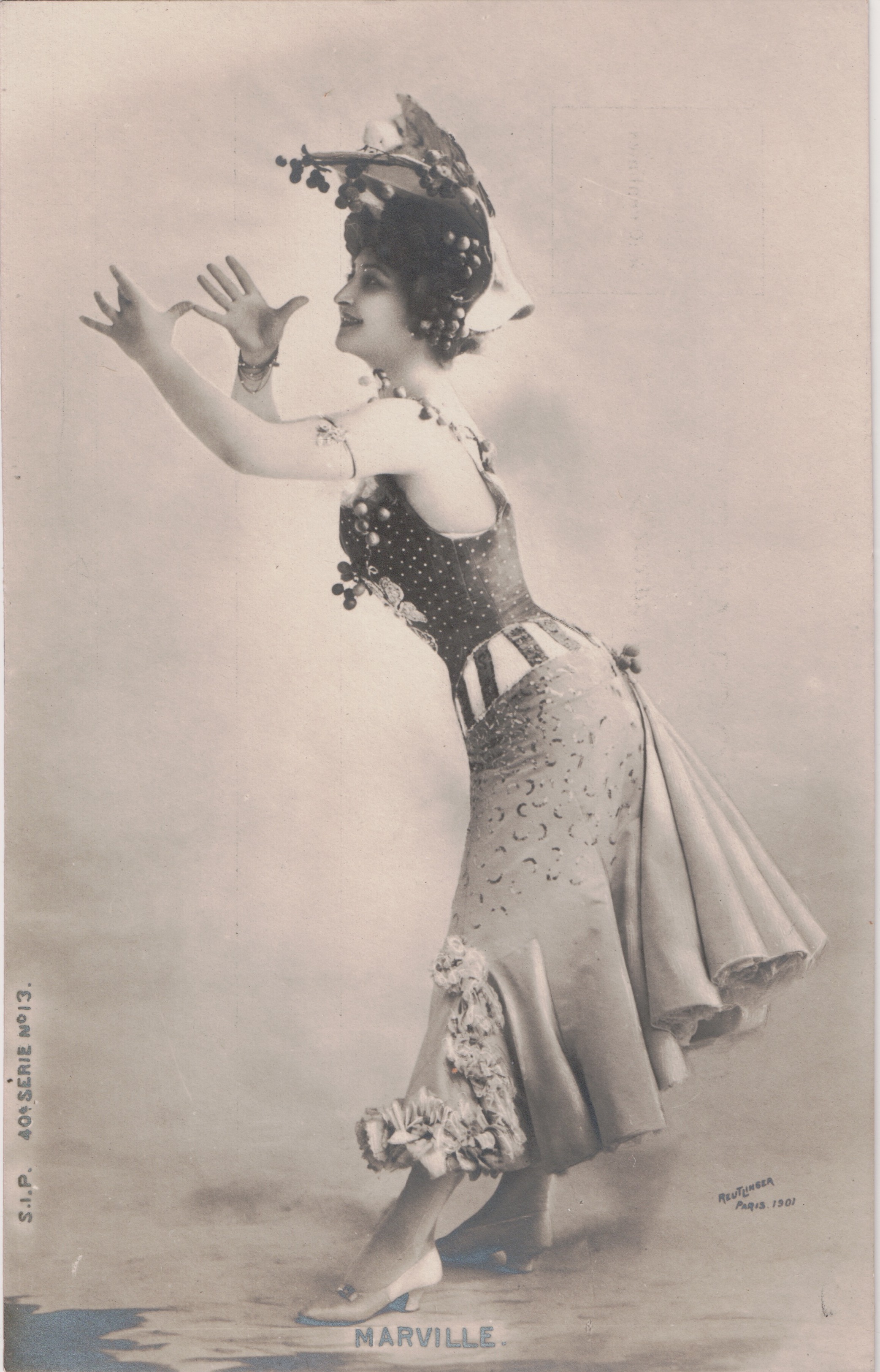
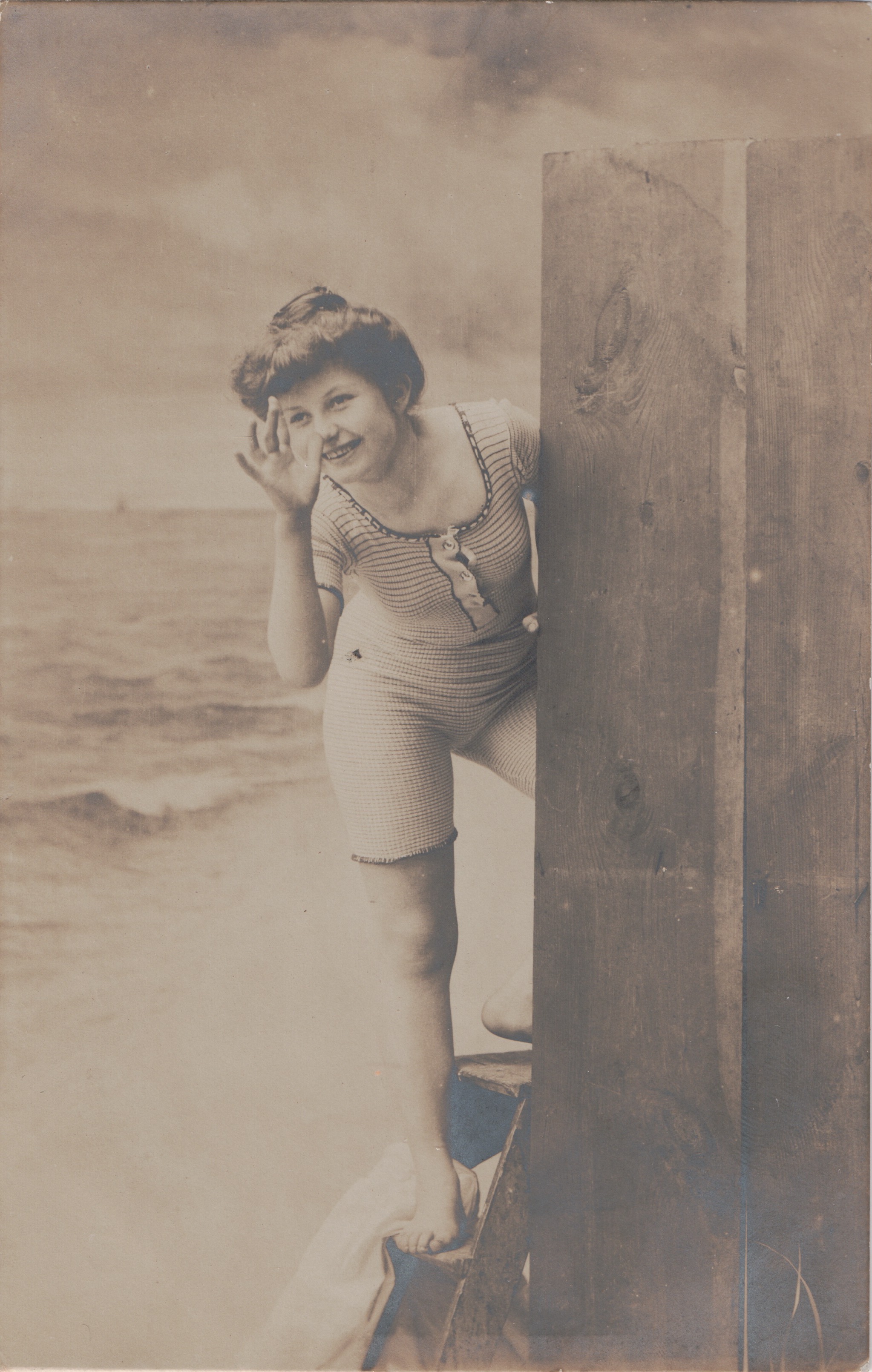
Here are an assortment of early 1900s French and German postcards with women making the thumbing the nose gesture.
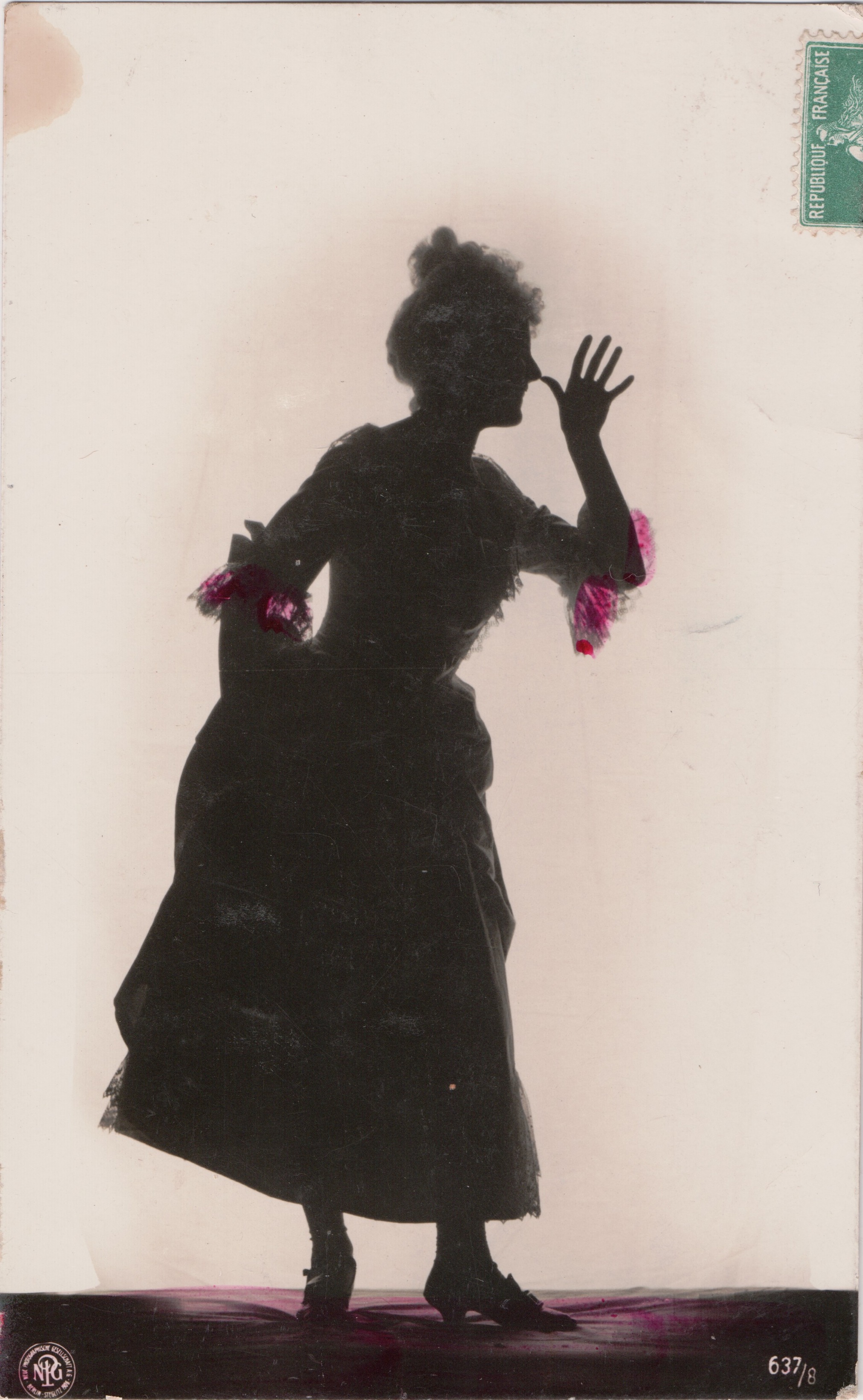
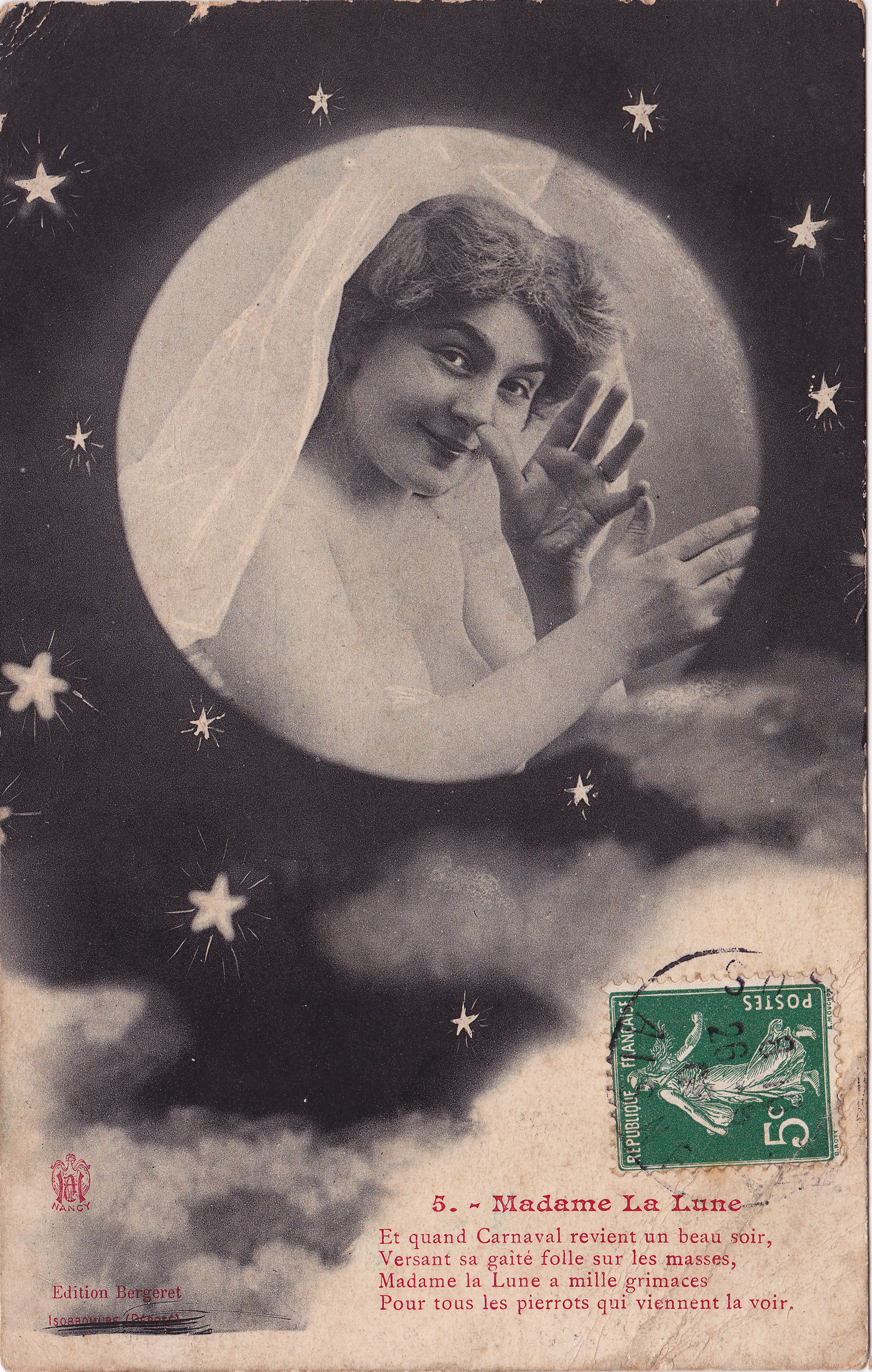
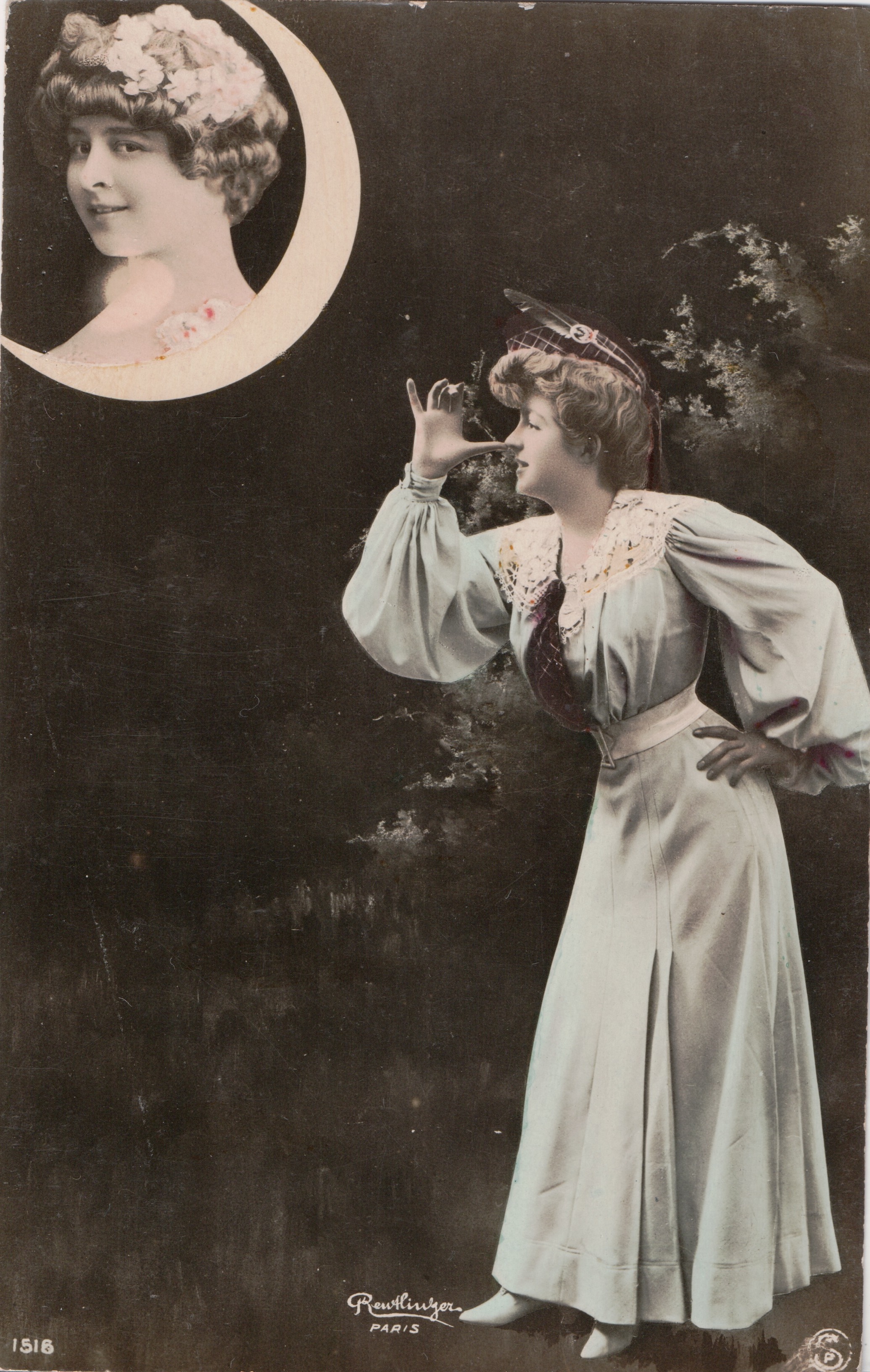
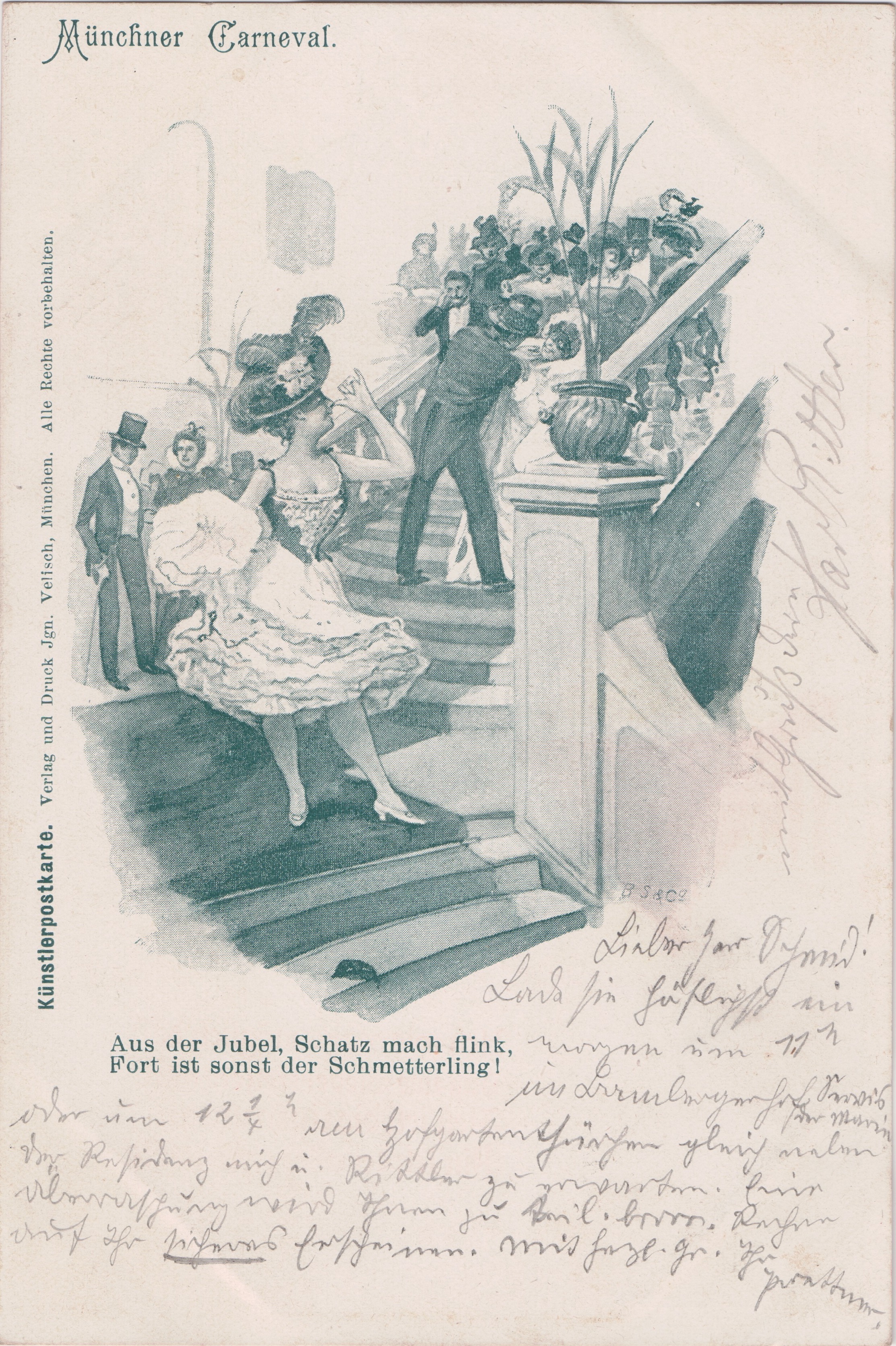
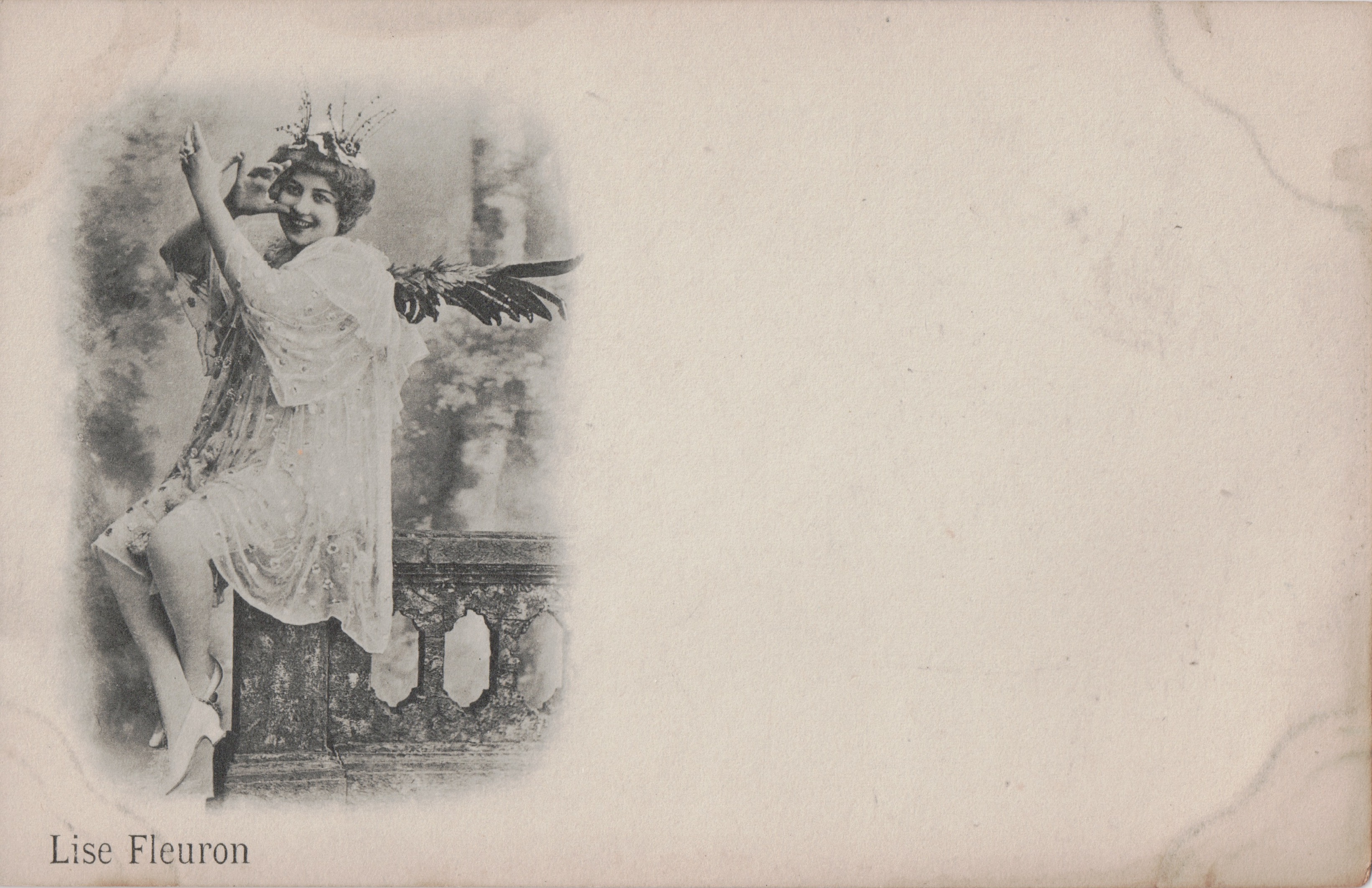
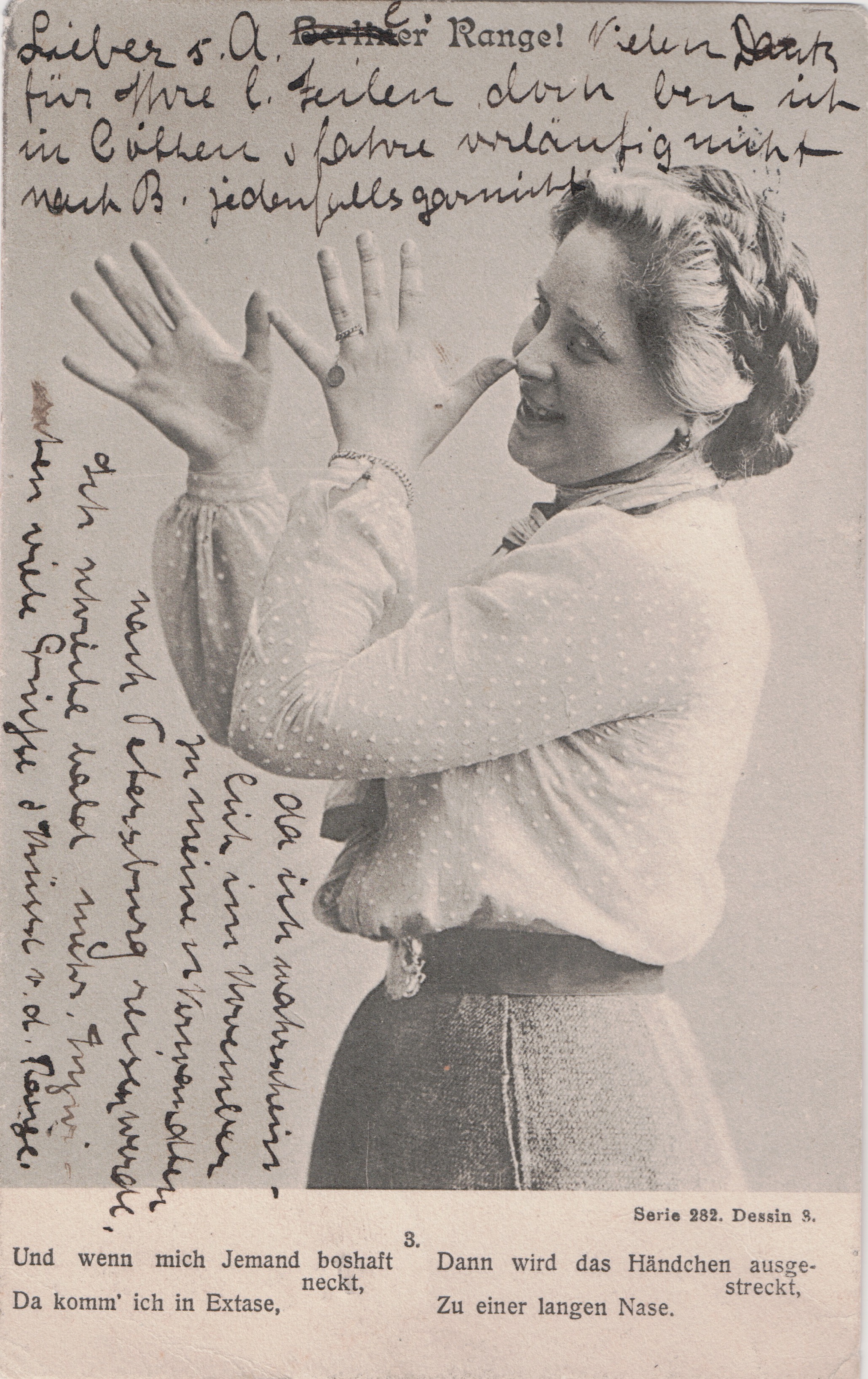
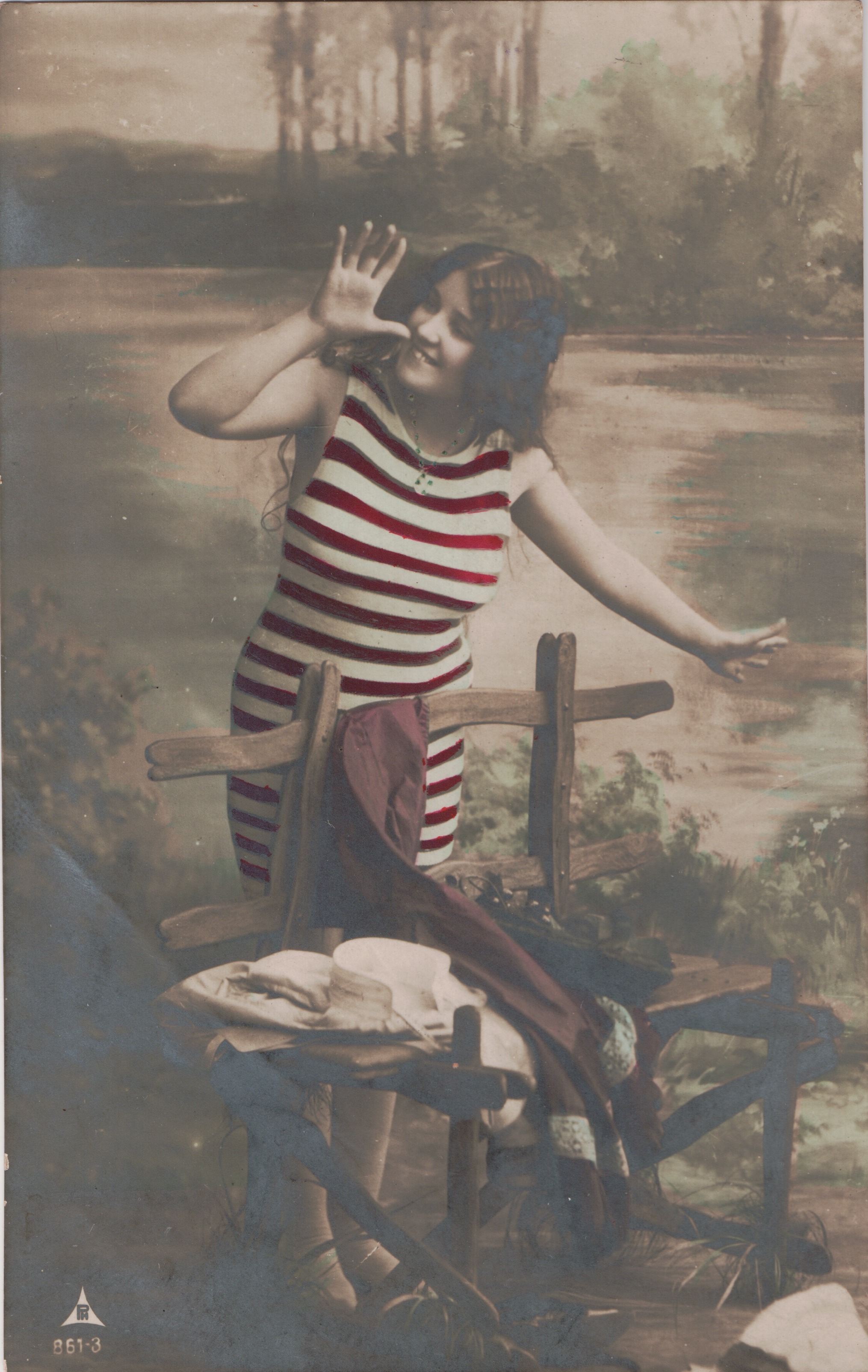
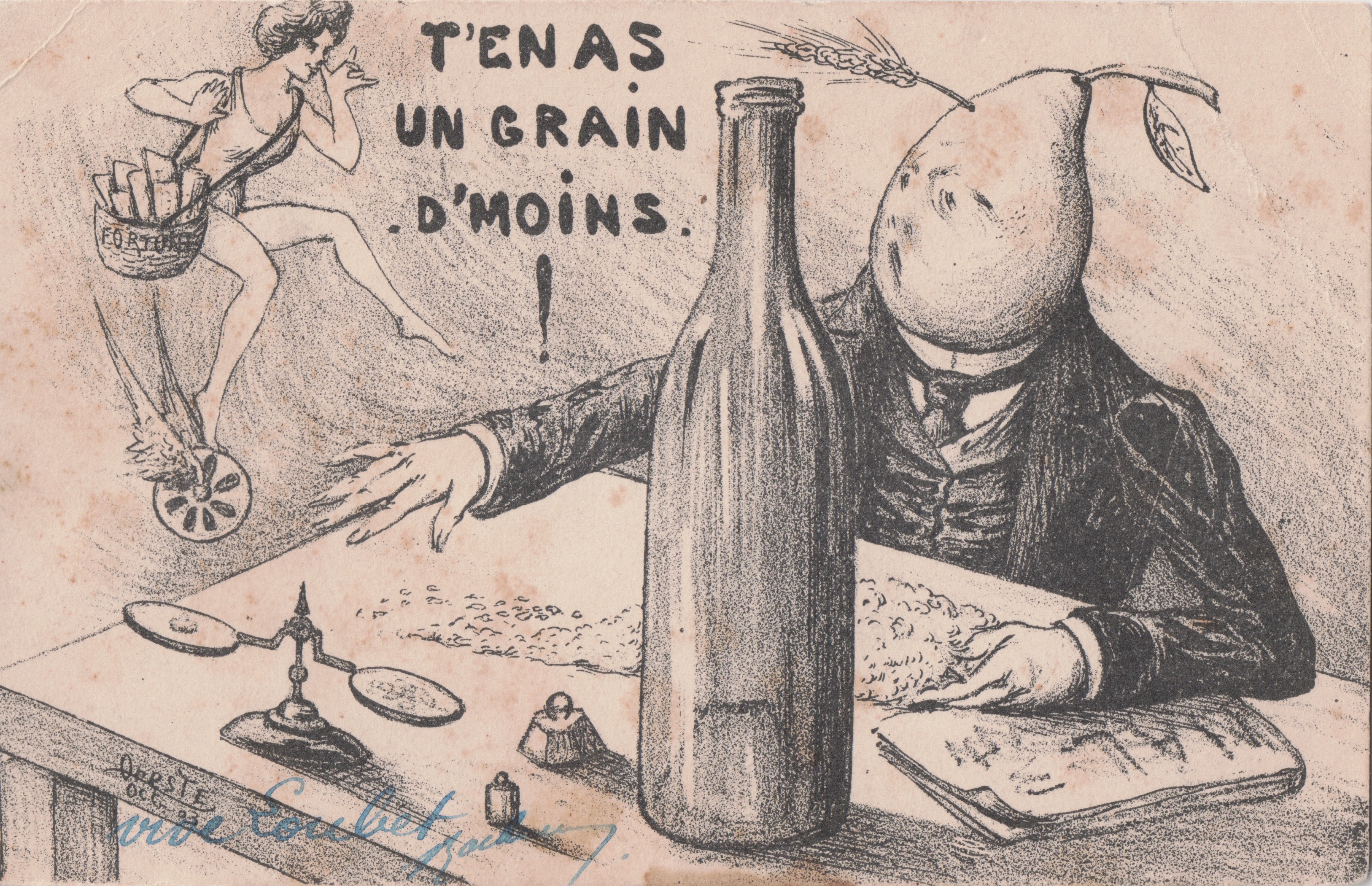
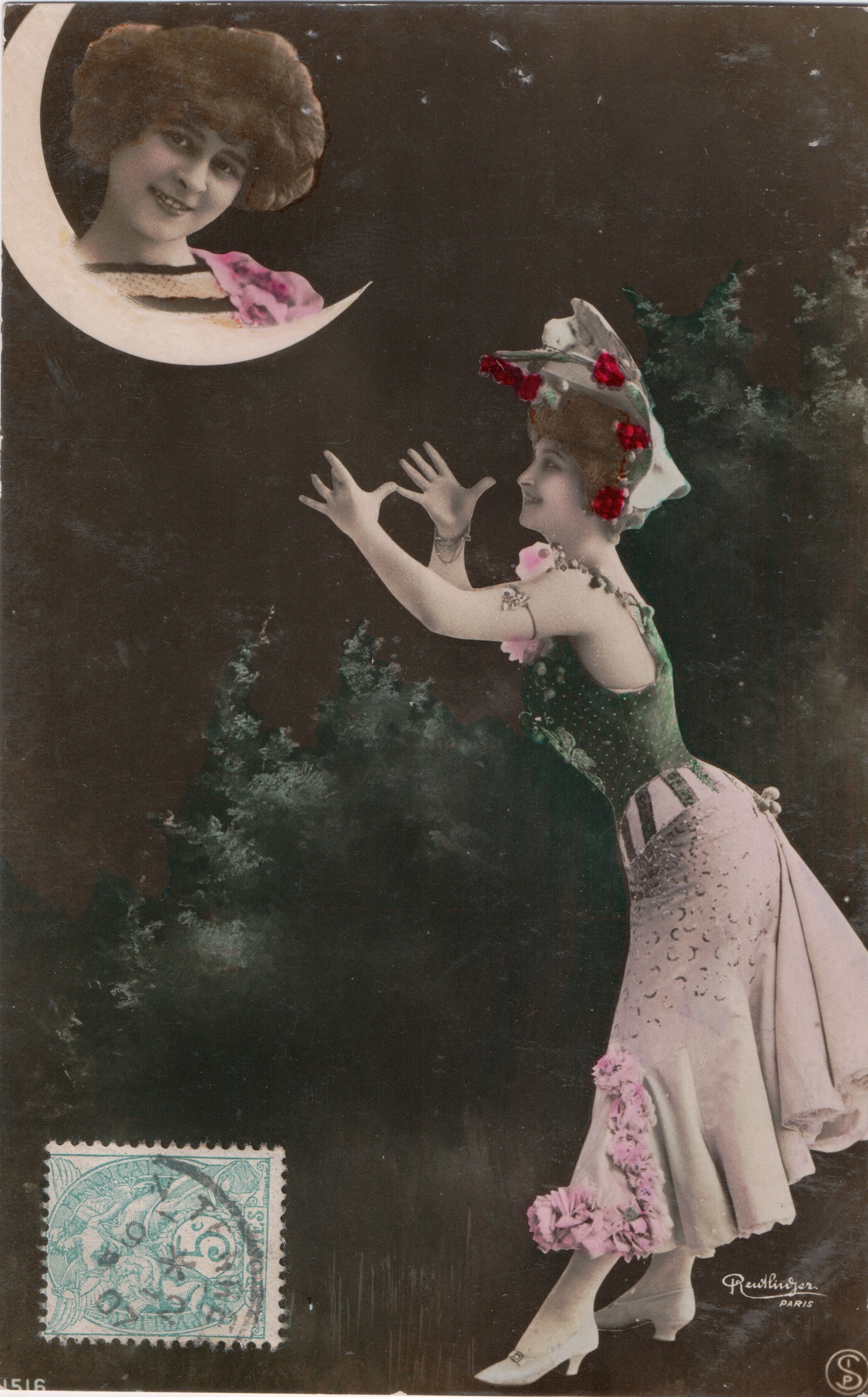
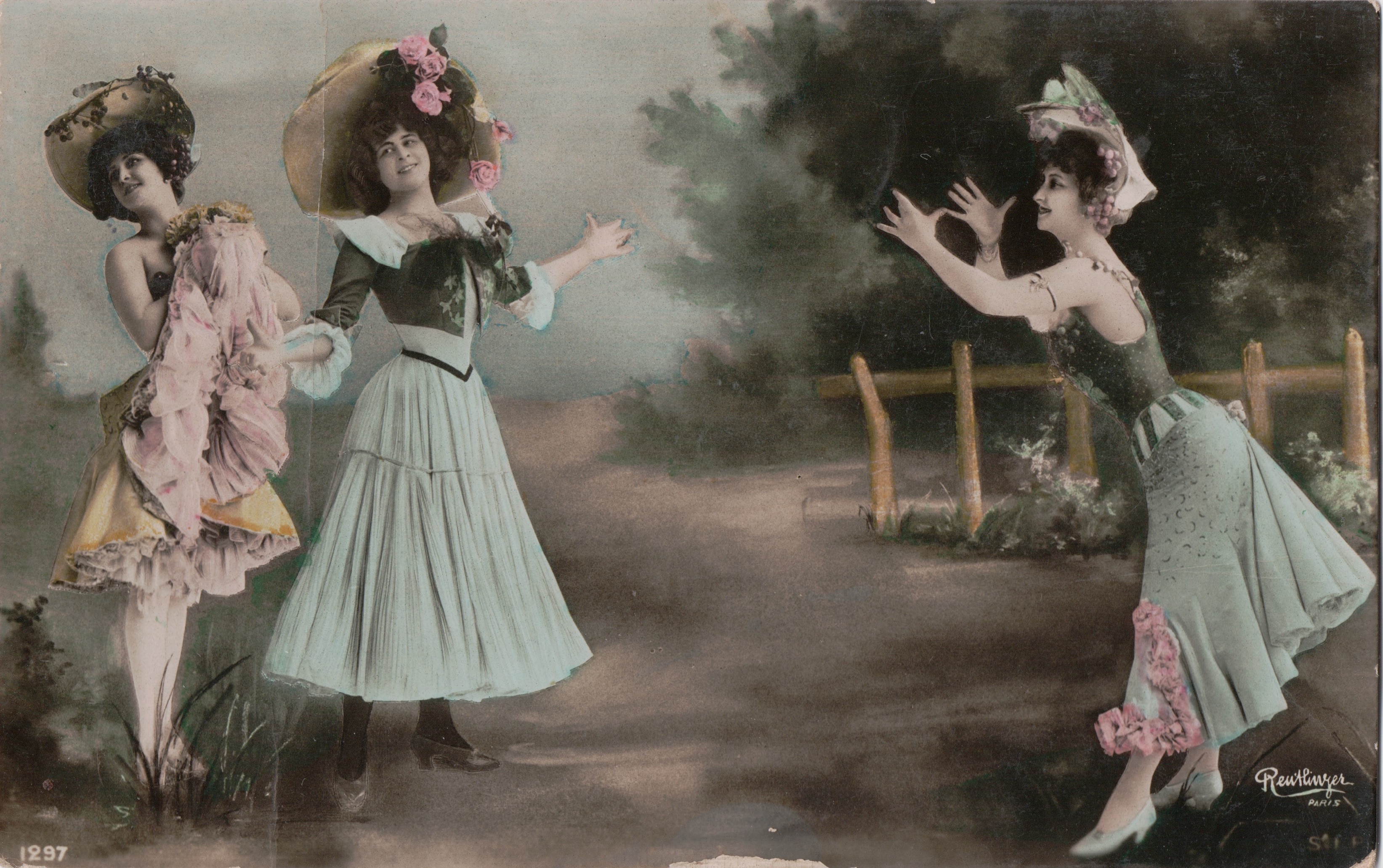
In this next instance, the Reutlinger studio — which started in Germany and moved to France — reproduced the same nose thumbing image on several cards using photomontage.

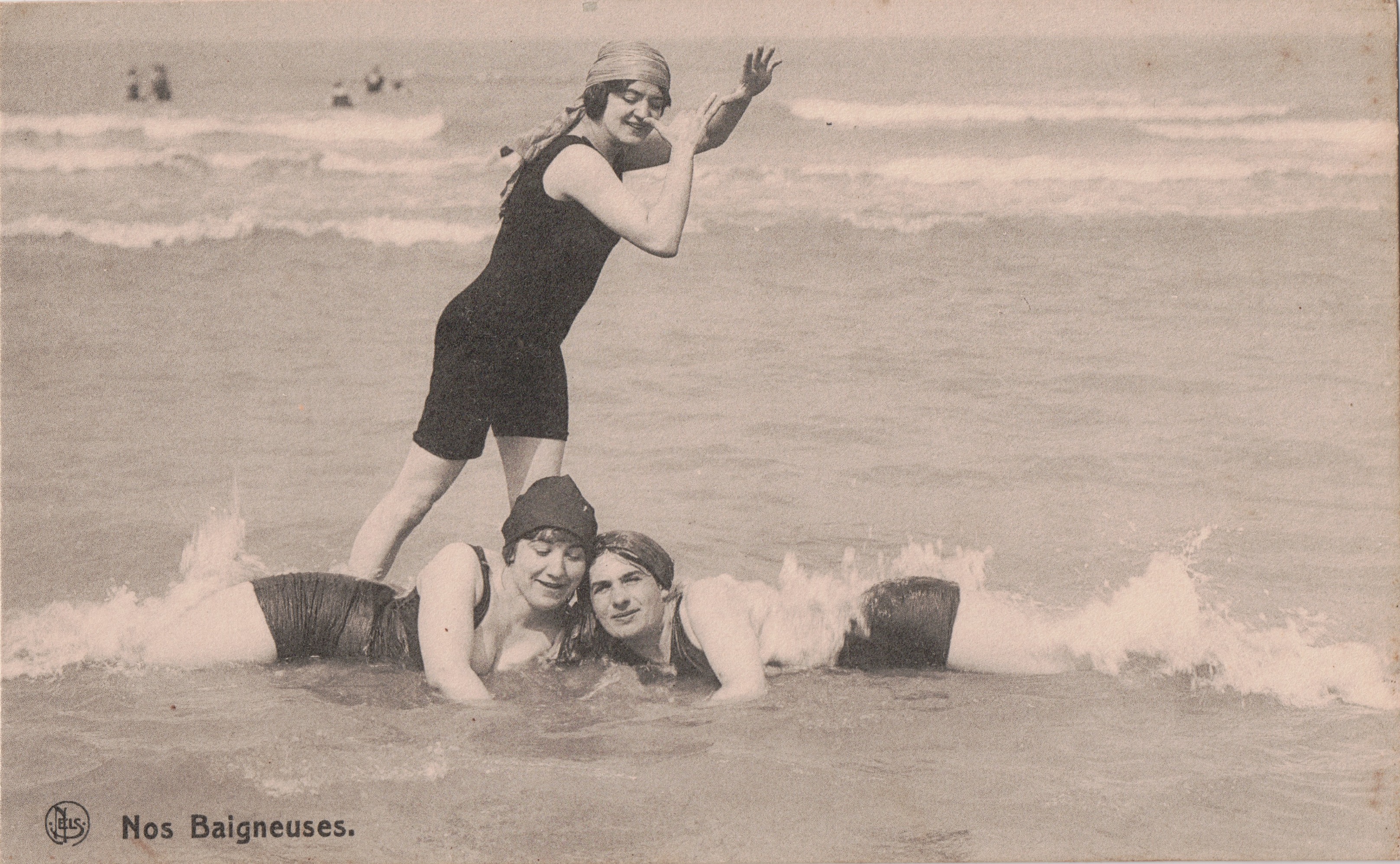
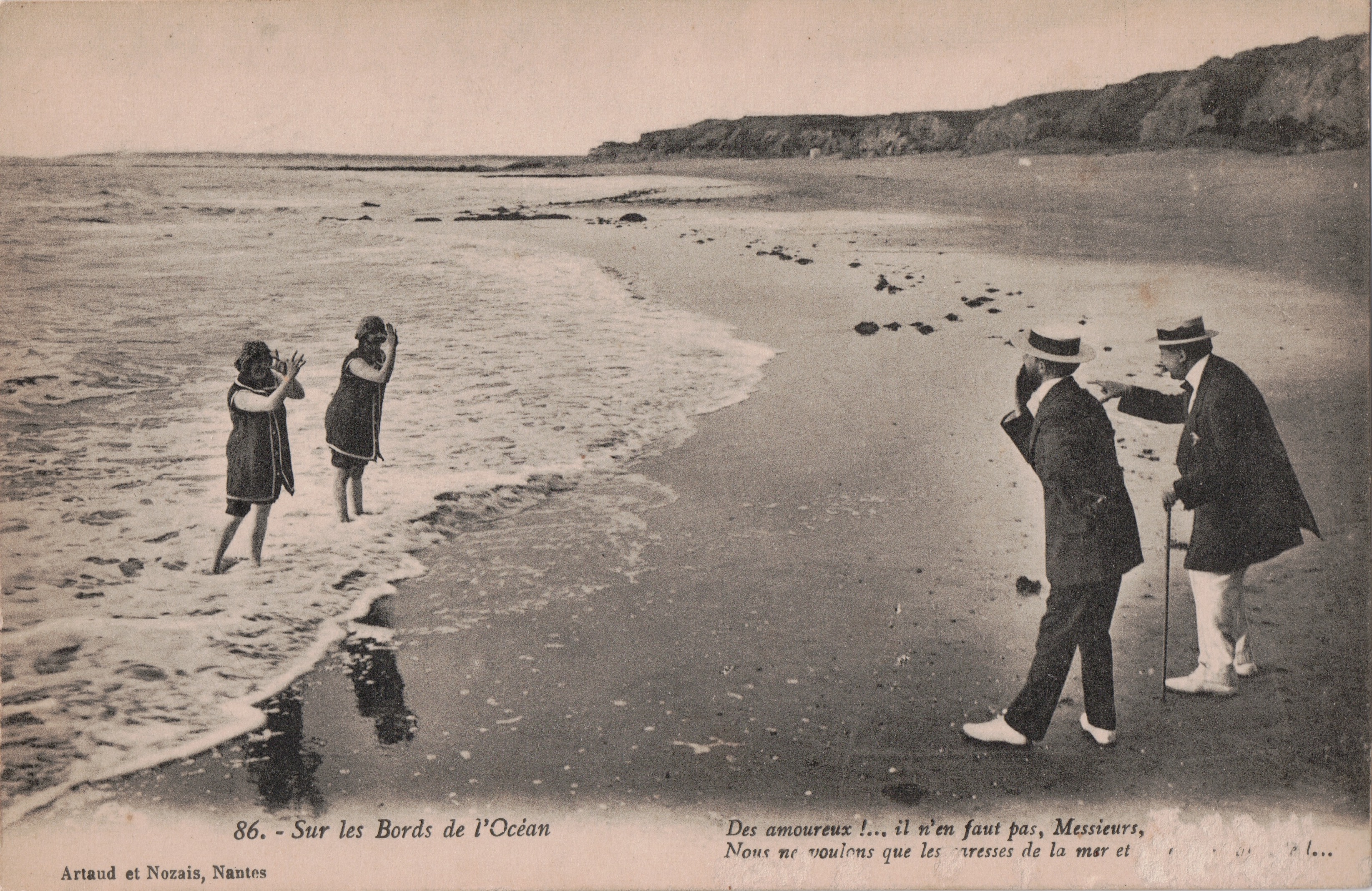
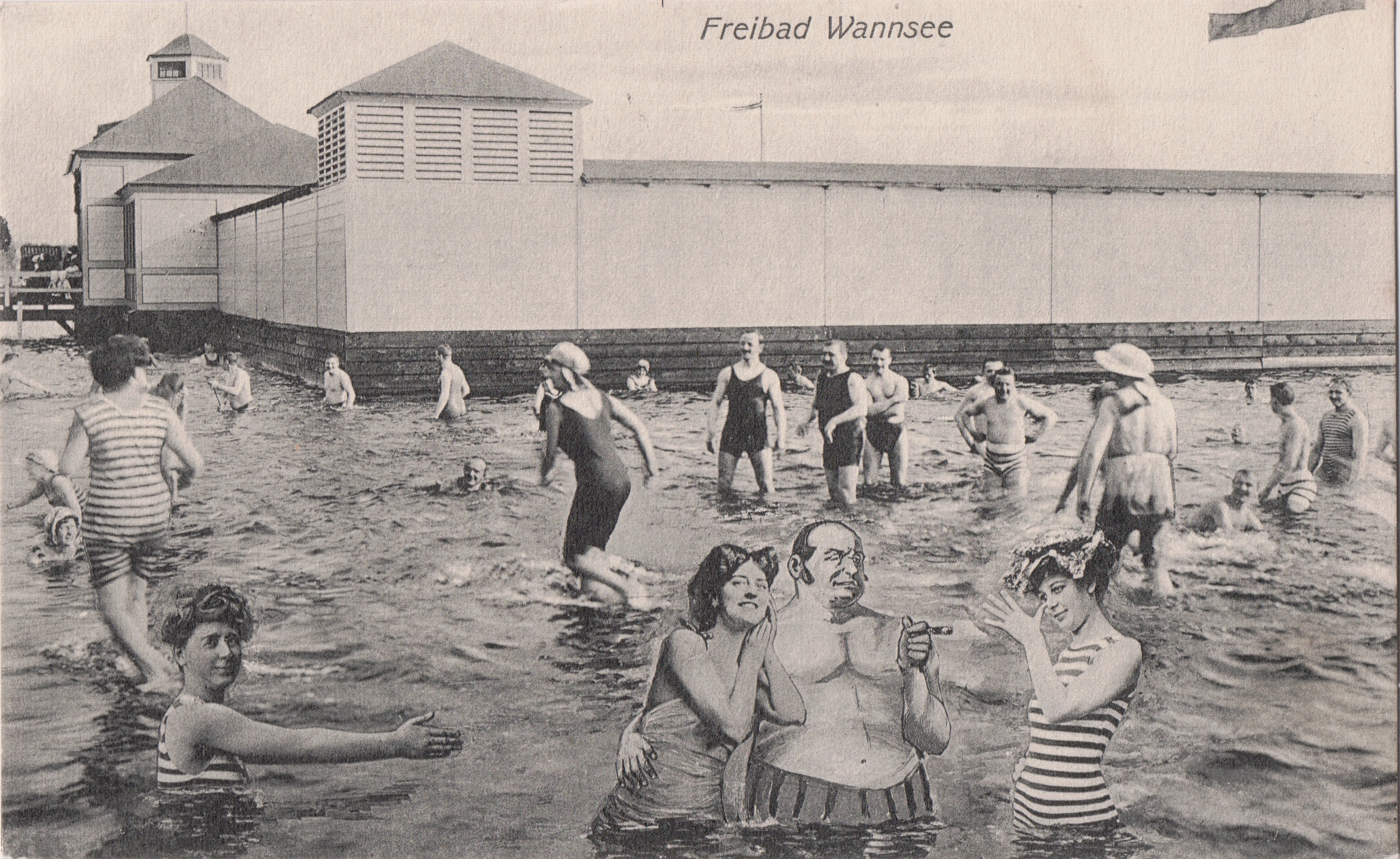
But the most common type of these cards features women at the beach. In the era, beach postcards were very common — they were the most overwhelmingly common type of vacation card, and in that context the nose thumbing reflects playful relaxation!

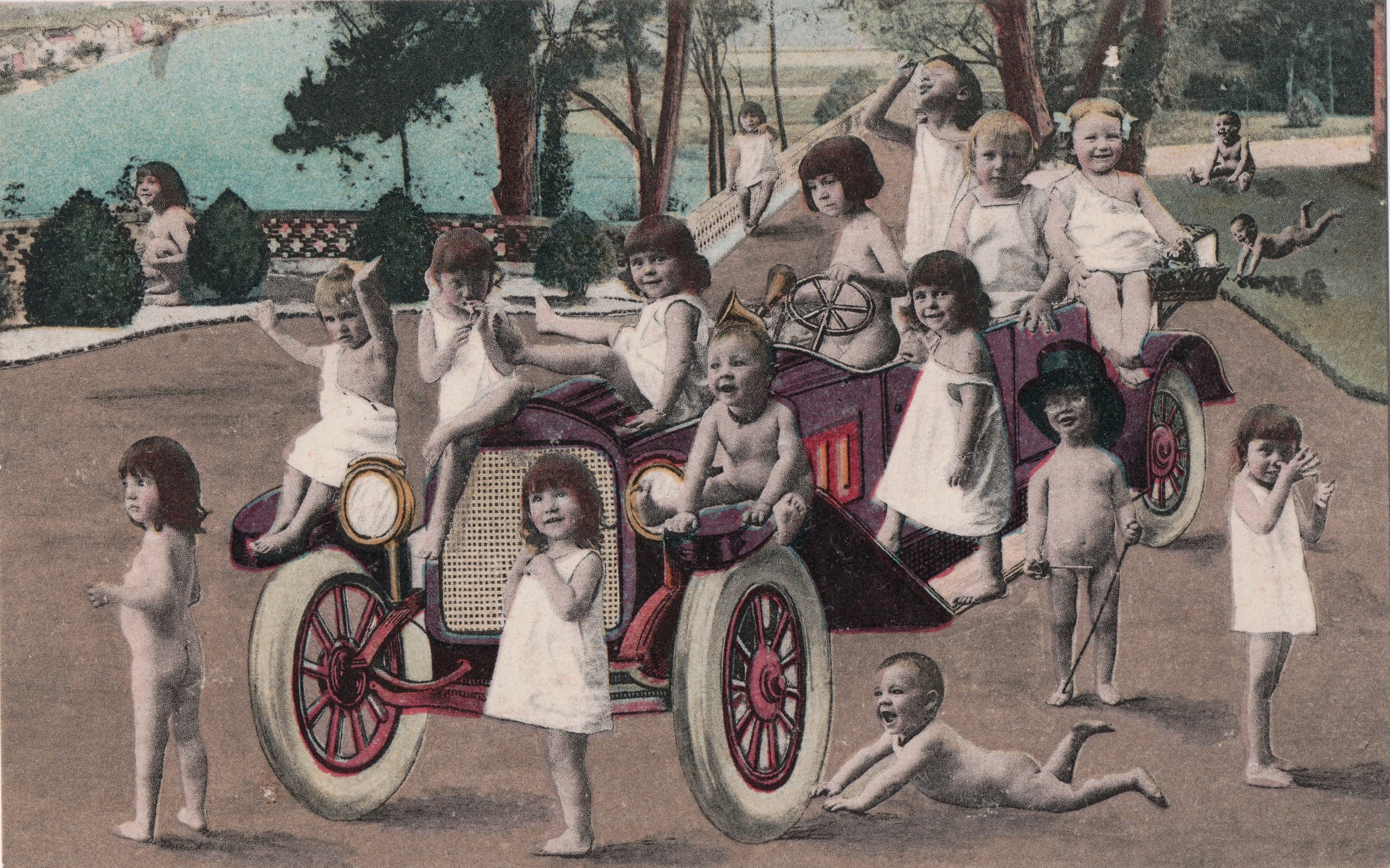
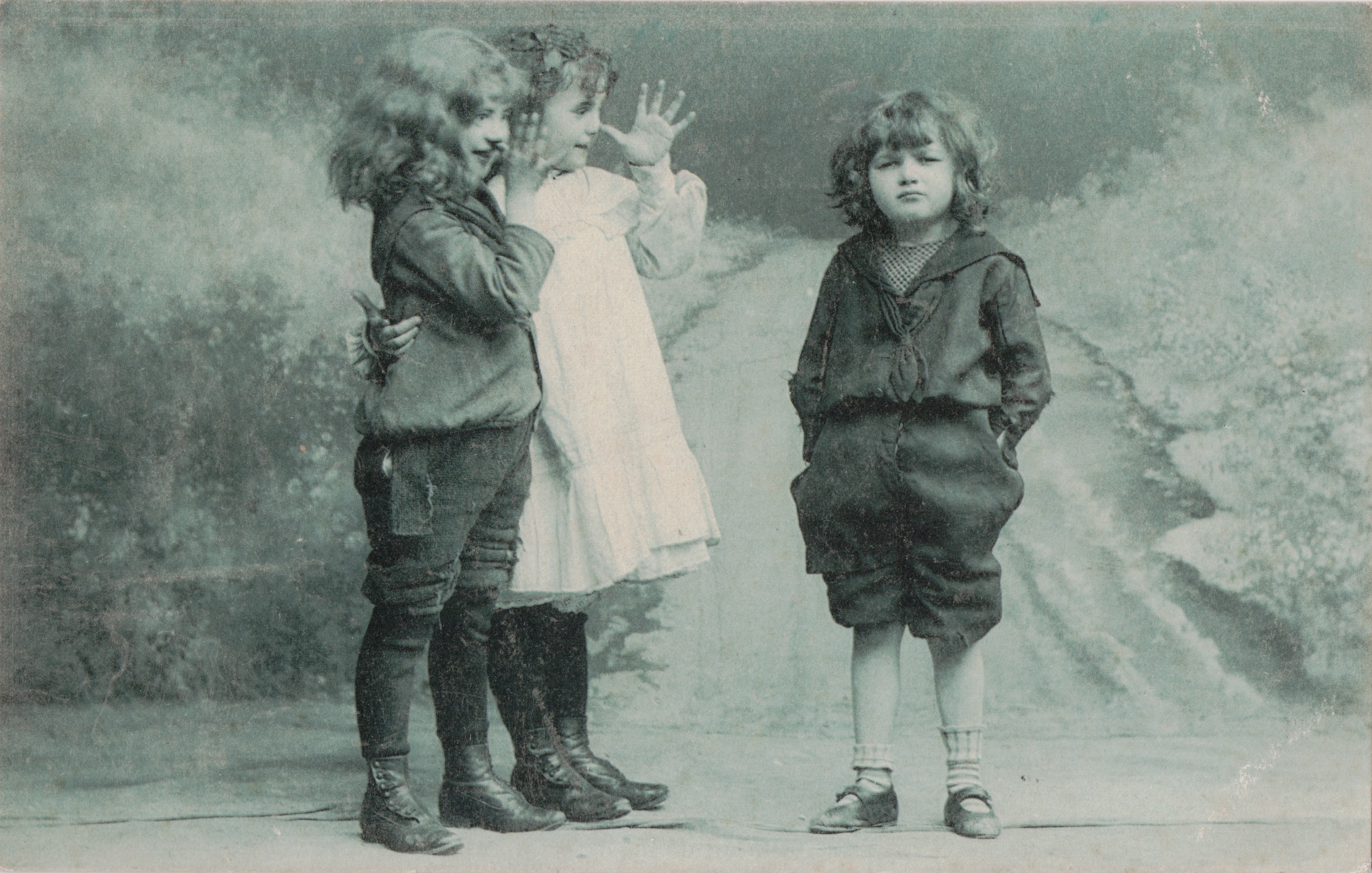
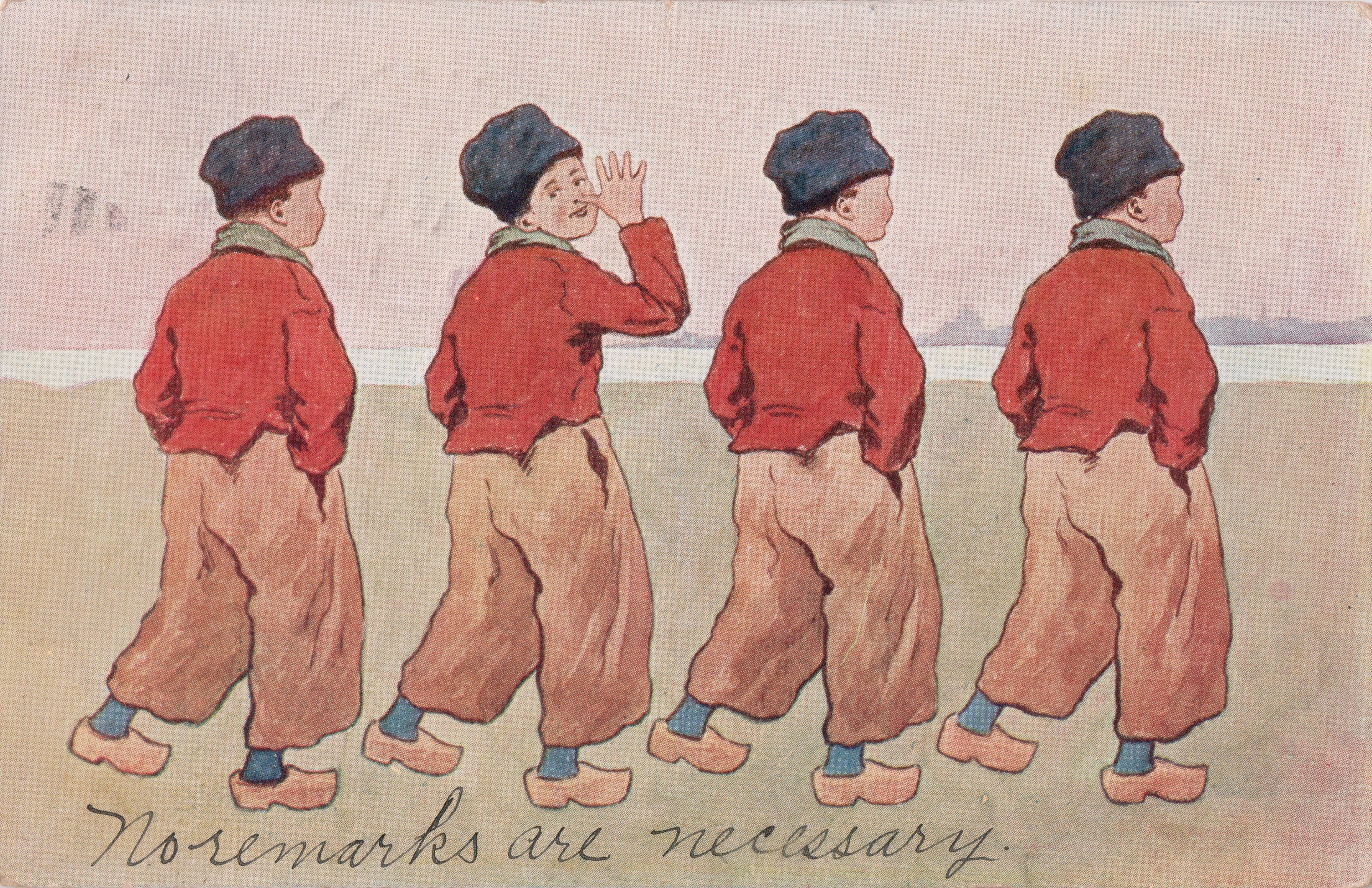
Here are an assortment of early 1900s French and German postcards with children making the thumbing the nose gesture.

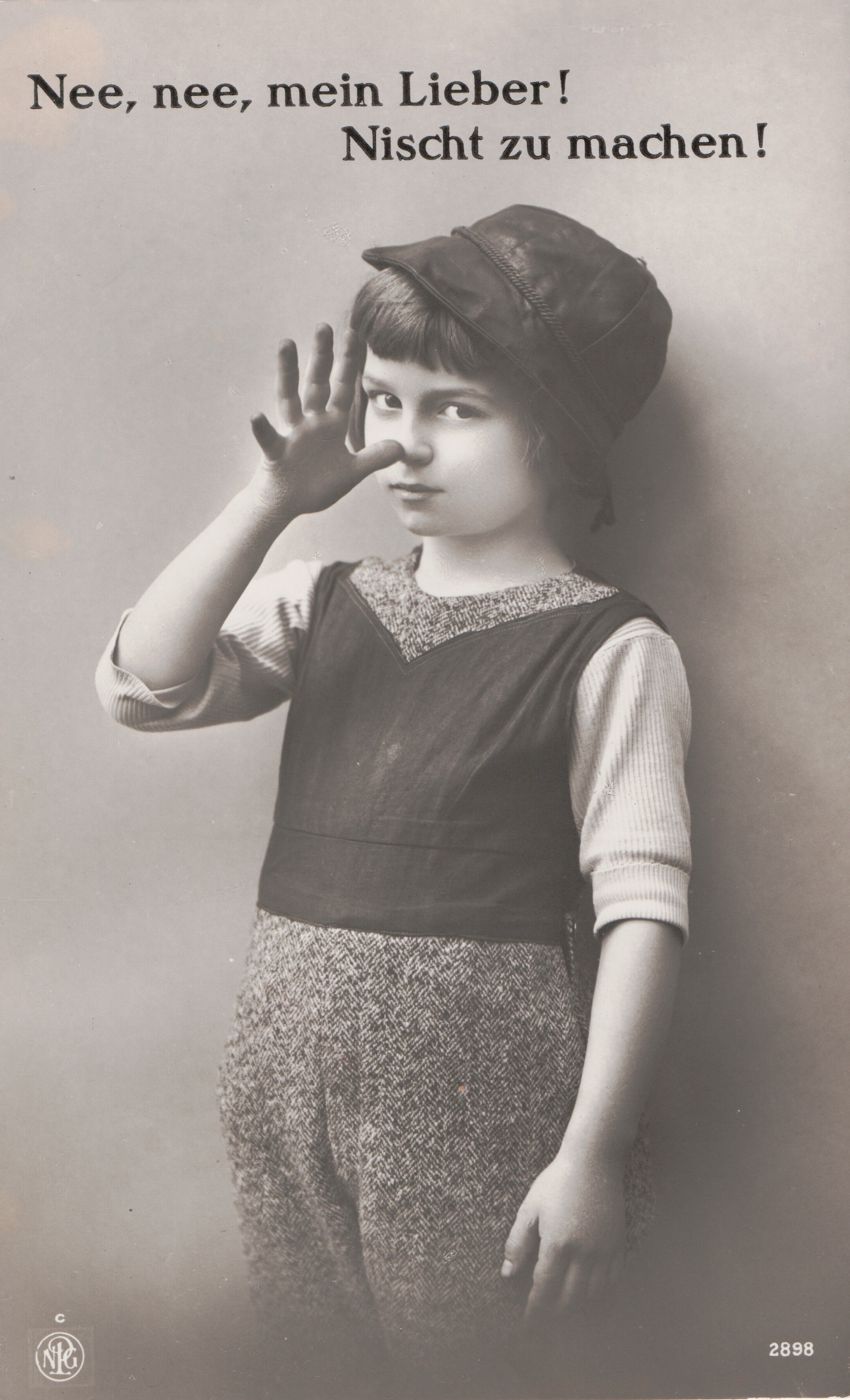
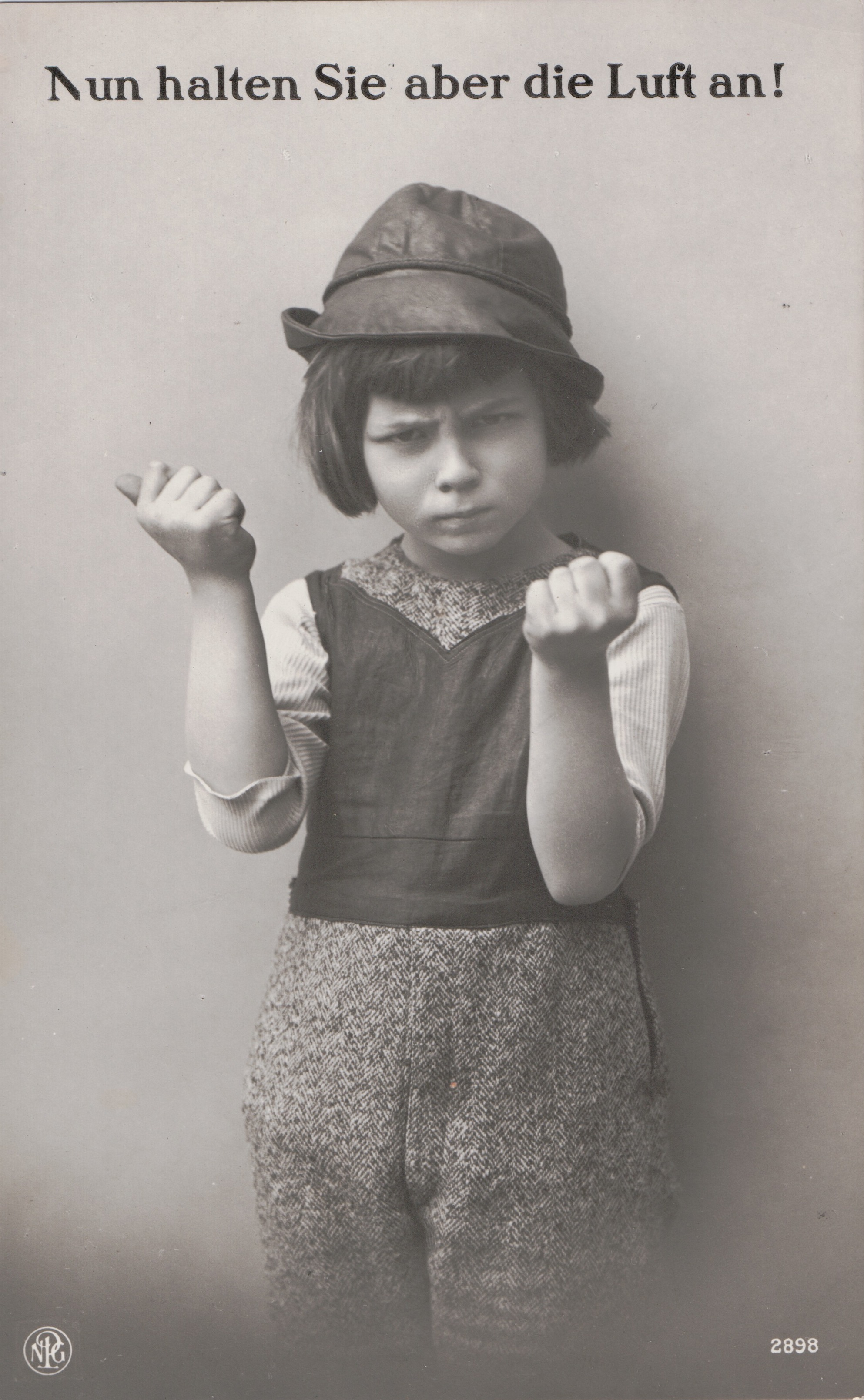
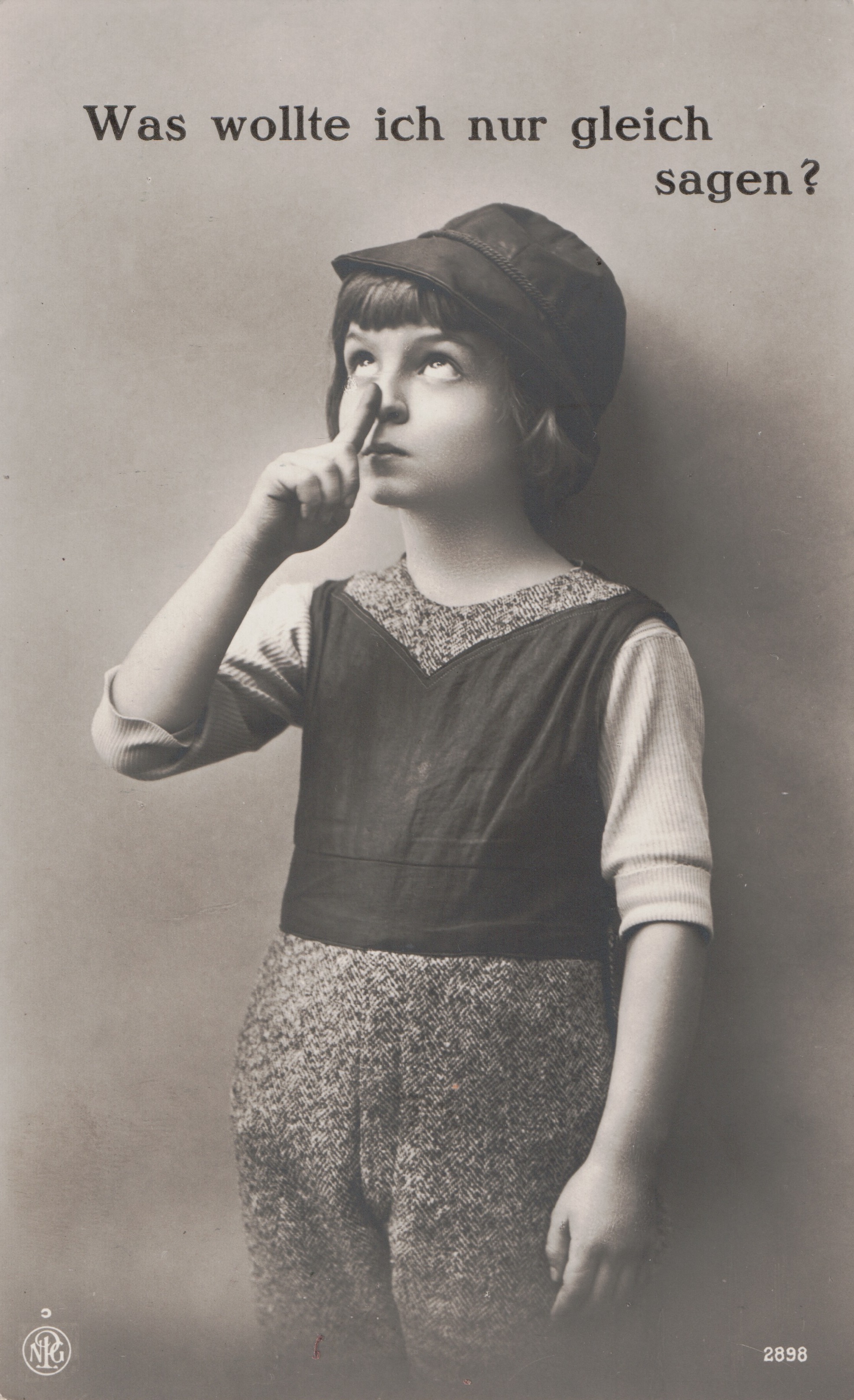
Here is a charming series with a boy showing the nose-thumb and three other gestures. The text says, “No no, my dear! Nothing to do!” — which may make more sense in German…
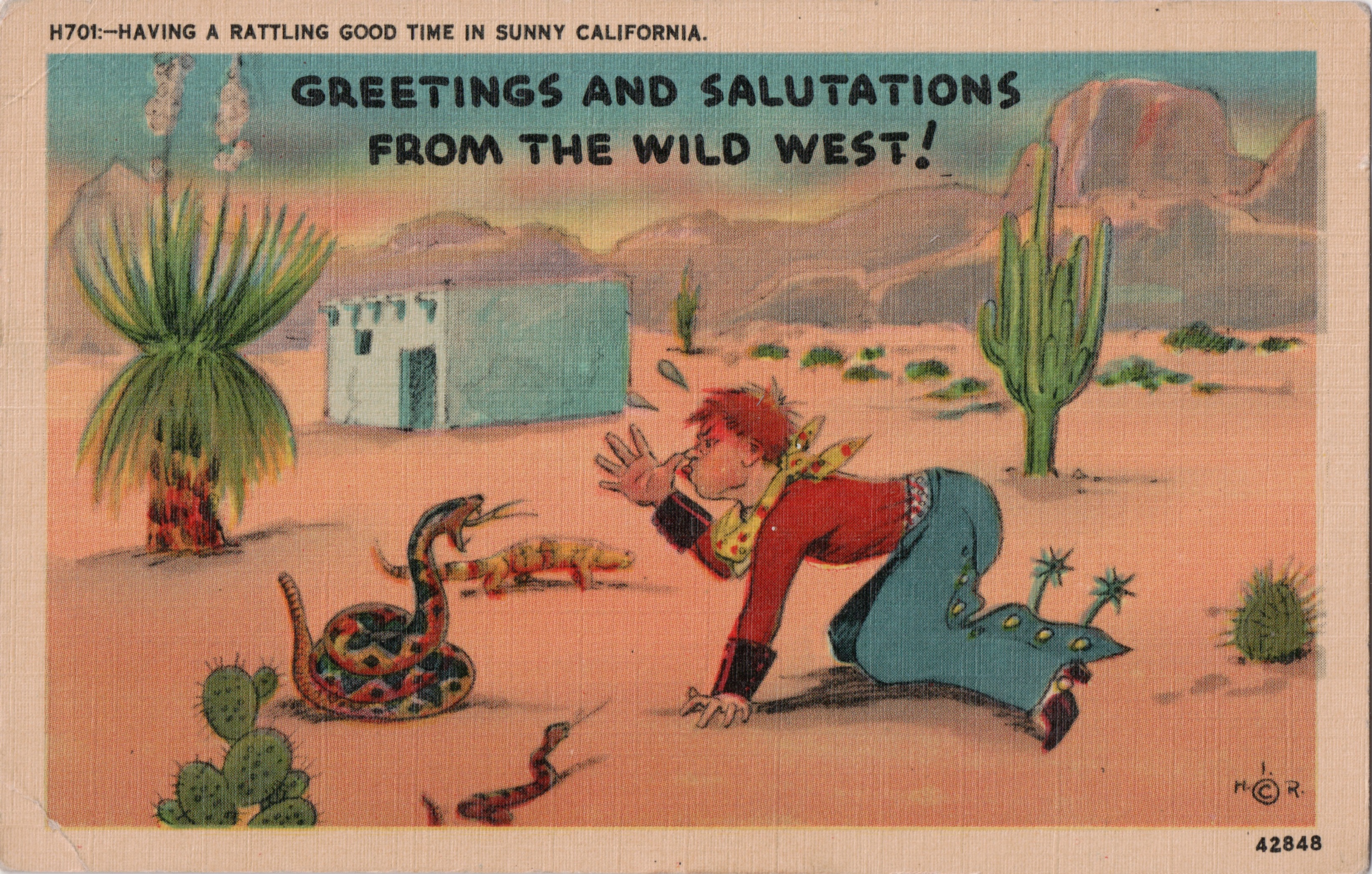
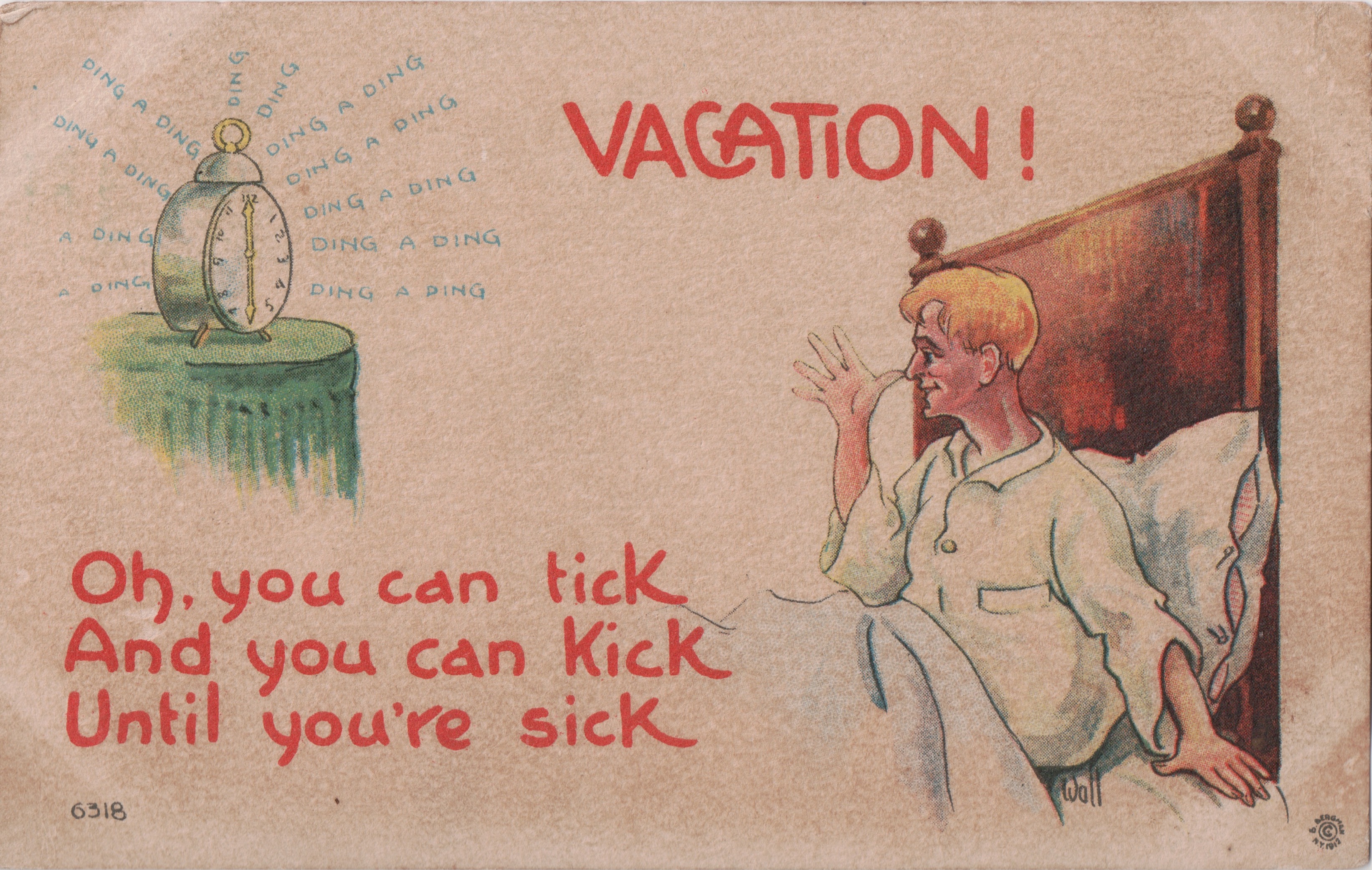
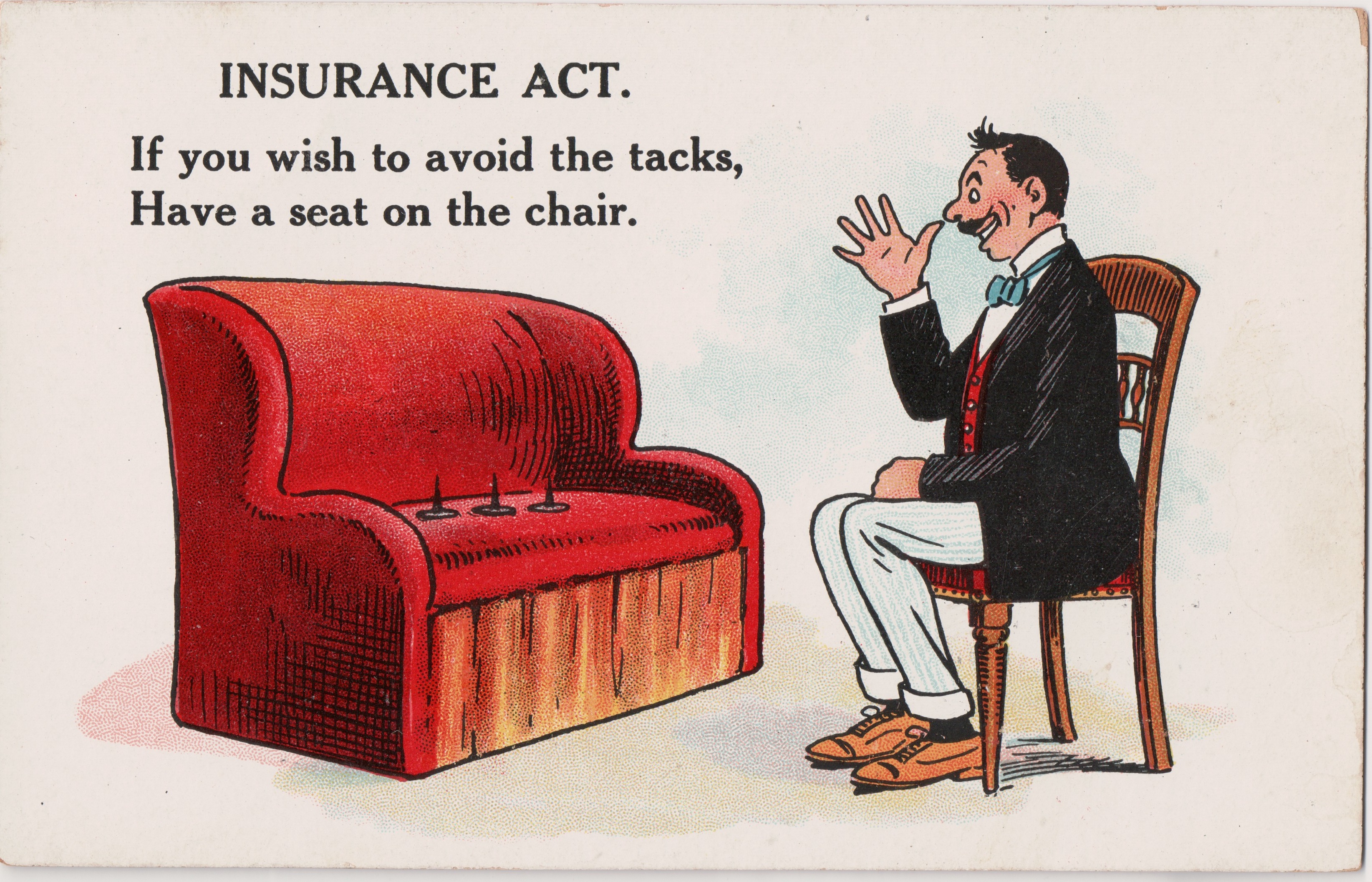
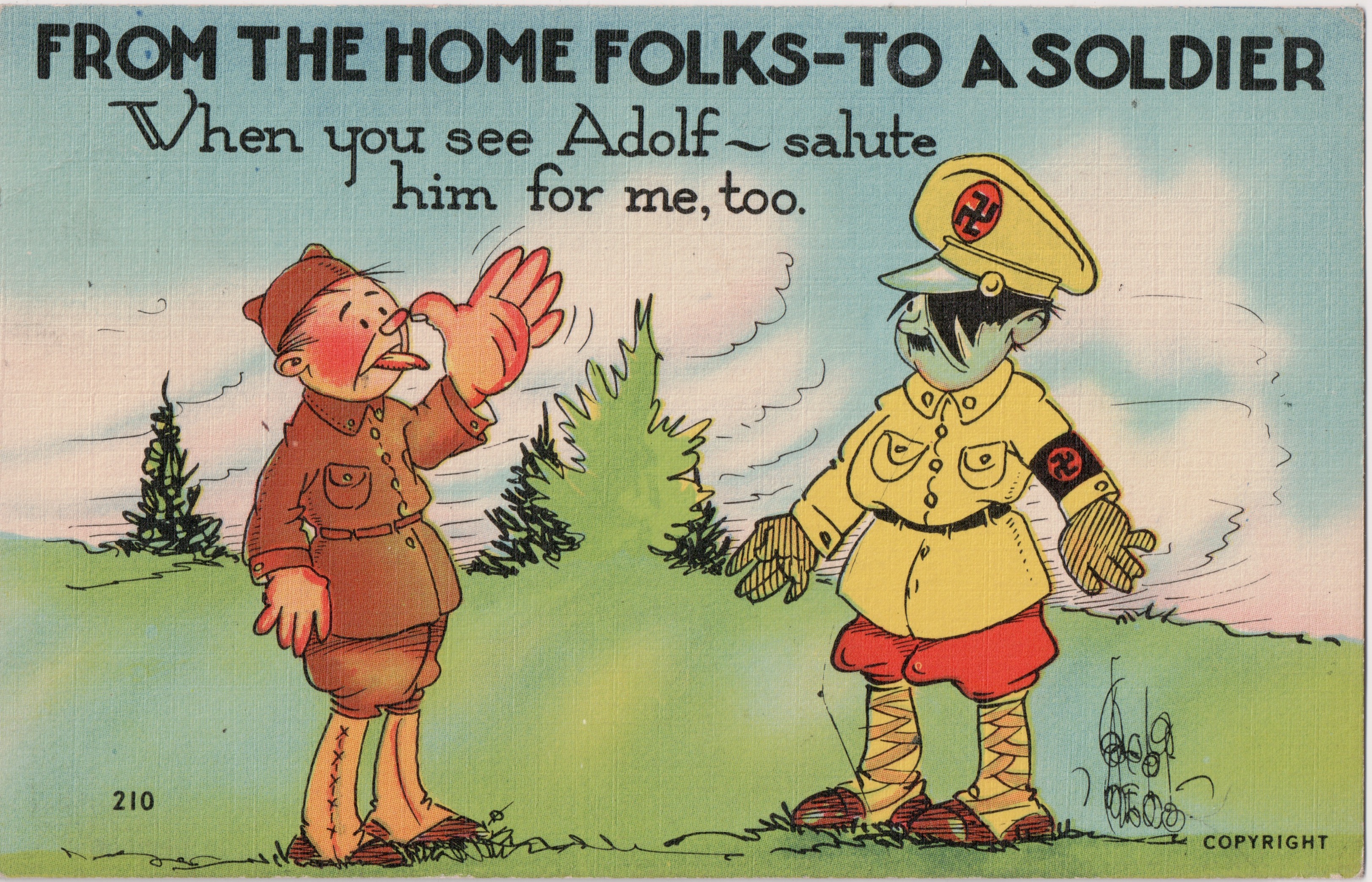
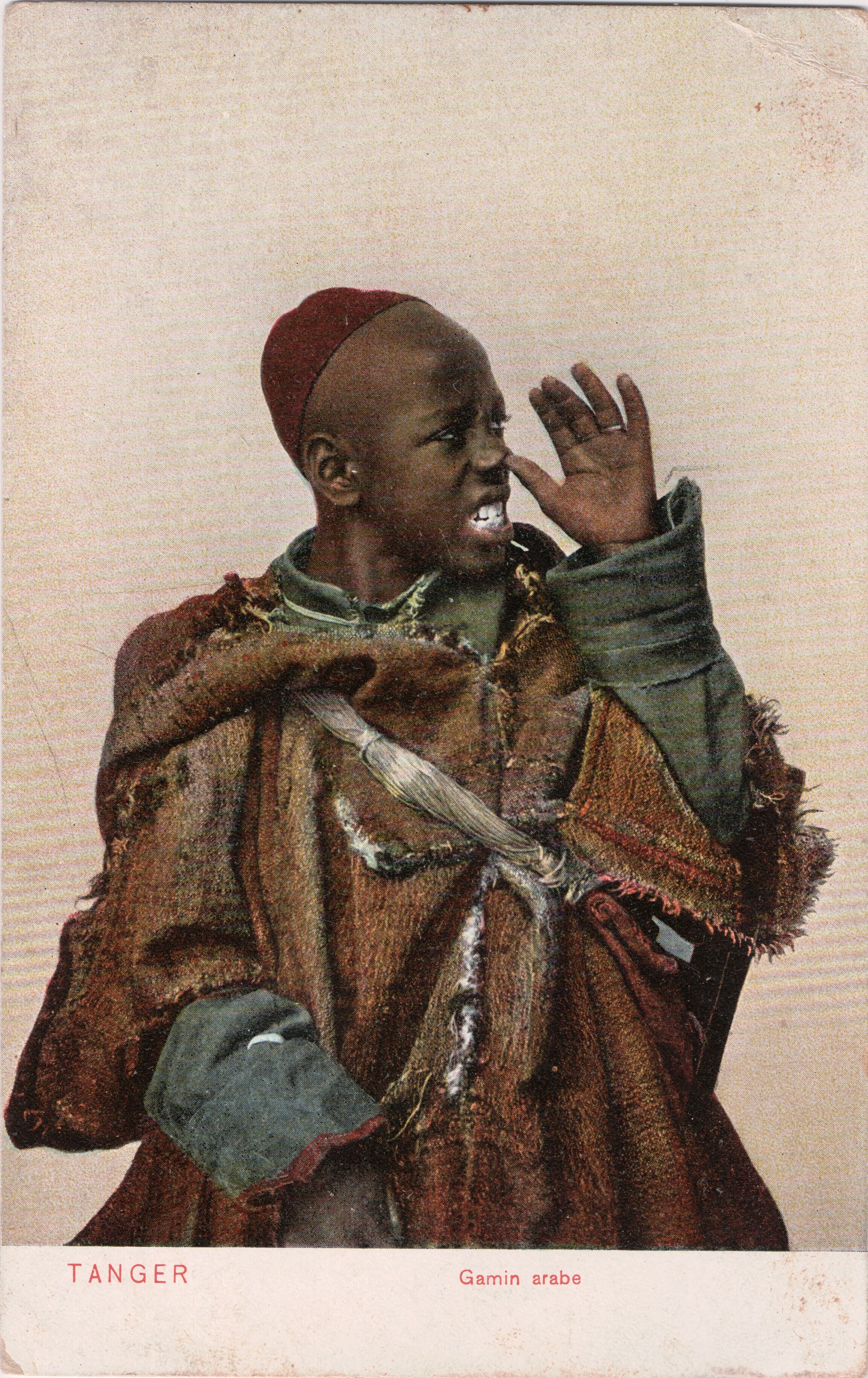
These few final cards in my collection feature nose-thumb gestures from other places — four from from the U.S. (two adding the tongue sticking out and one seeming to add a “raspberry” or “Bronx cheer” — a gesture with a similar if less playful meaning — for good measure), as well as cards from Holland and North Africa.
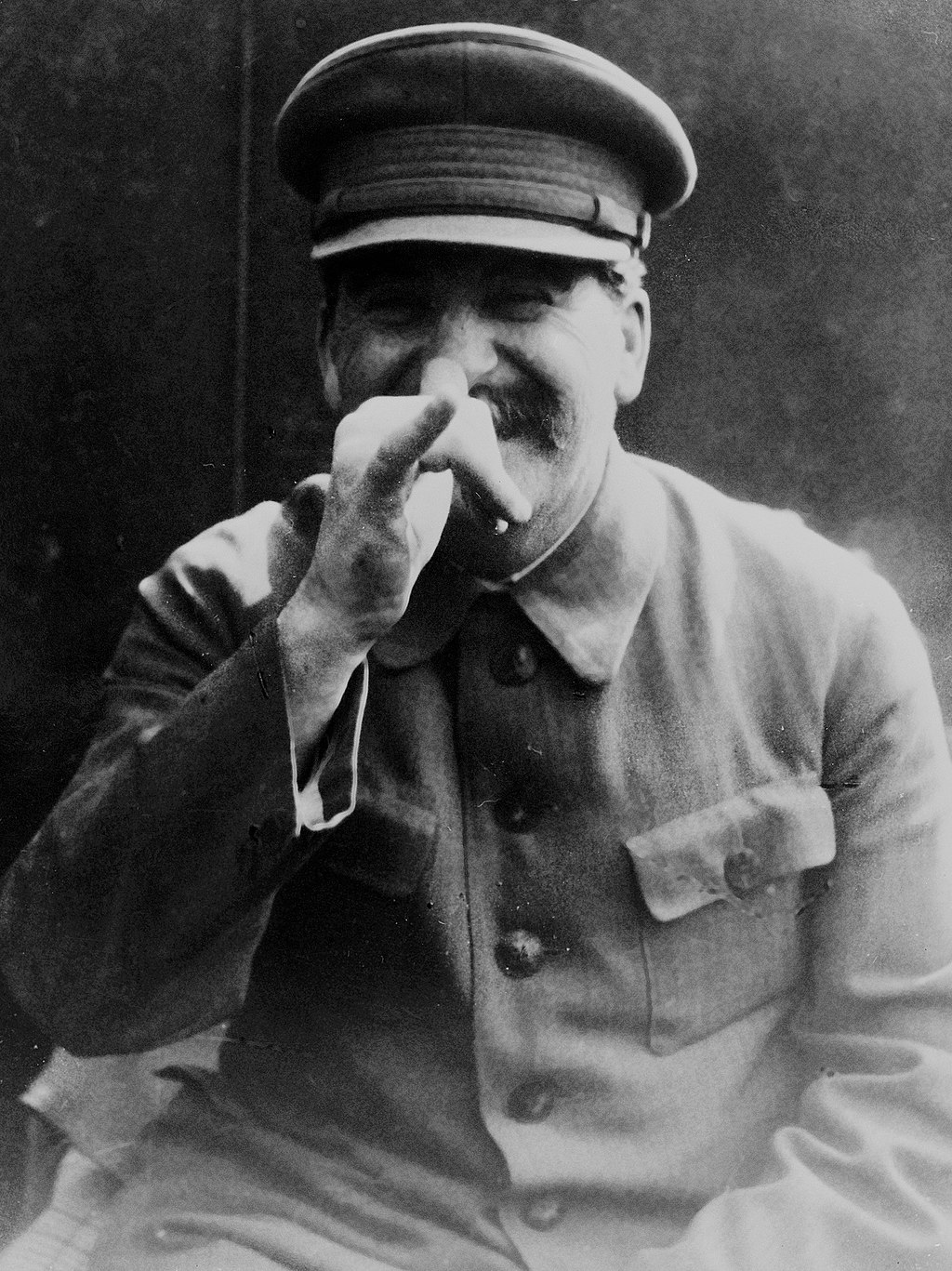
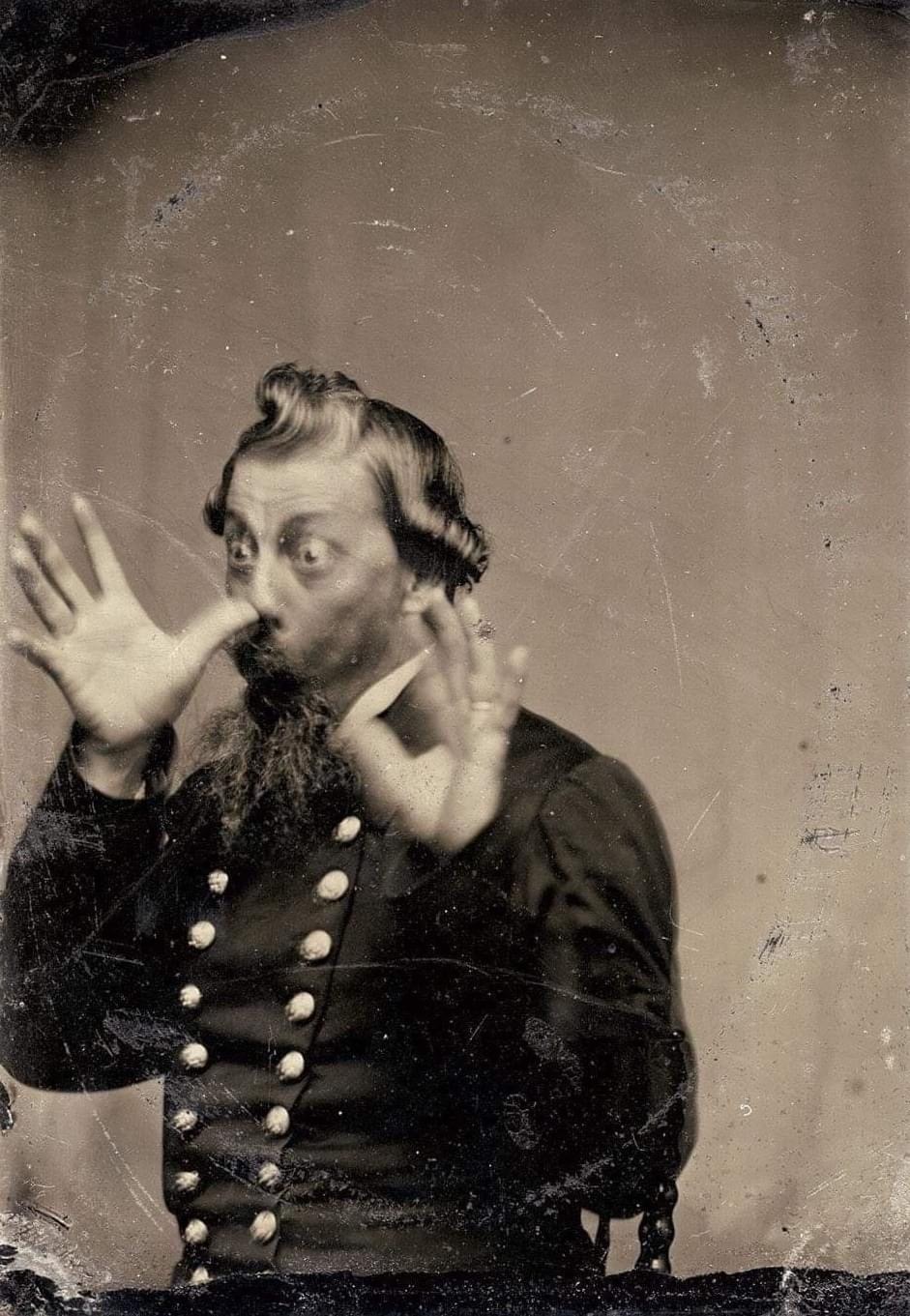
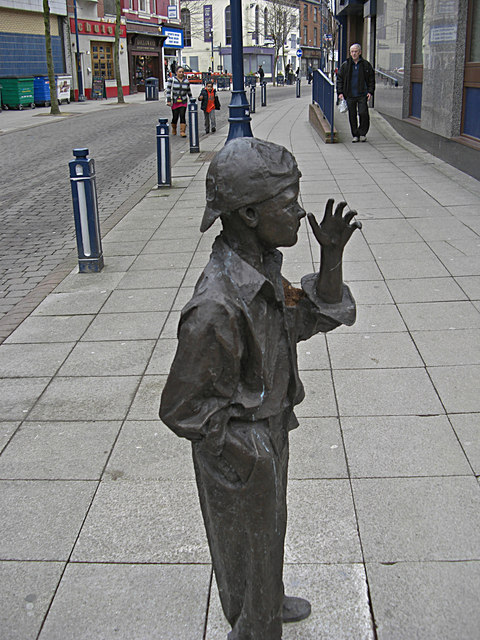
Here are a few other nose-thumb images I found online: (1) a postcard not in my collection; (2) a famous image of Stalin doing the gesture in the 1940s; (3) an 1863 image of a Union officer doing the gesture — apparently by an anonymous photographer — the photo is in the Ronald S. Coddington collection; (4) a statue of a street urchin performing the gesture in Ashton-under-Lyne, UK; (5) a red devil hood ornament at the Greaserama Car Show in Tracy, Missouri (photo by Brad Harding, Flickr) — there are other images of devils performing the nose thumb as well.

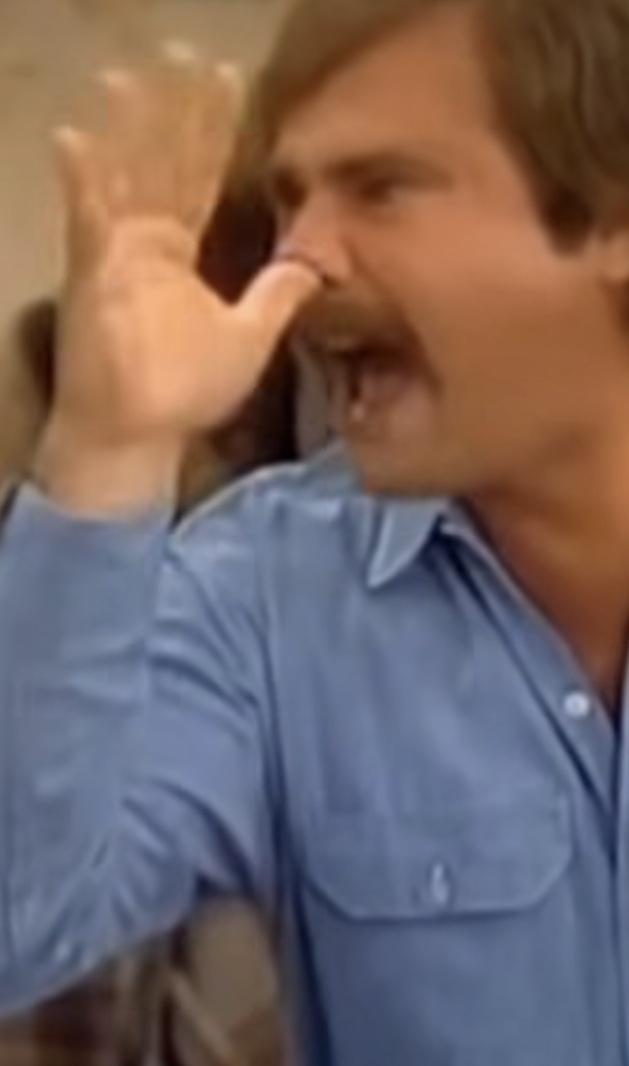
R.I.P. Rob Reiner. Here he is at a critical scene in the TV series All in the Family, when he tells off his oppressive father-in-law Charlie Bunker. Delivering the nose-thumb, he declared, “This is Michael Stivic’s Independence Day, pal, and this here is my flag!”
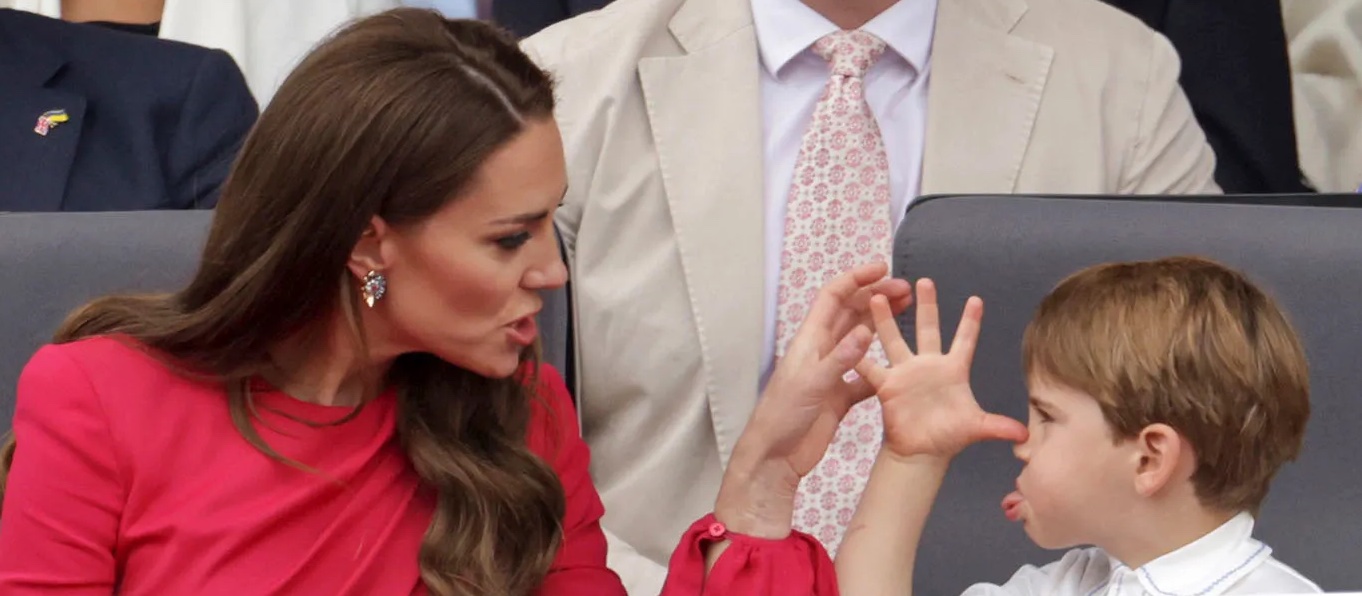
Finally, I must acknowledge UK’s Prince Louis, who at four years old cocked a snook (while sticking out his tongue) at his mother during the Queen’s 2022 Platinum Jubilee (photo credit to AP).
 Wonderings